
CCME.NEWS

Your source for the HVACR Industry, covering in-depth news & analyses on policy, business & technology.

Get Premium:

Sign-up

COMMERCIAL ENQUIRIES:

Frédéric Paillé
Co-Founder & Commercial Director
fred@cpi-industry.com
+971 50 714 7204

Follow Us

CCME.NEWS

CCME.NEWS, covering the regional and global HVACR industry with an unwavering commitment to providing in-depth news and analyses on policy, business and technology

Contact Info

PO Box 13700,
Dubai Media City, Dubai
admin@cpi-industry.com
+971 50 714 7204

Follow Us

Premium Story

Adsorbi launches cellulose-based filter media for gaseous pollutant removal in HVAC systems

Company introduces Arbomax, targeting reduced filter replacements and lower carbon footprint compared to activated carbon

GOTHENBURG, Sweden, 28 April 2026: Adsorbi announced the commercial launch of Arbomax, a cellulose-based air filter media designed for gaseous pollutant removal in recirculating airflow systems. Making the announcement through an April 28 Press Release, Adsorbi said the product is engineered for use in air purifiers and HVAC systems across residential, commercial and industrial environments.

Adsorbi said it developed Arbomax in collaboration with global air purification and filtration companies. The filter media, it said, is capable of capturing gaseous pollutants, including aldehydes, ammonia, sulphur dioxide and organic acids. Adsorbi added that the material is designed to operate in active airflow environments while preventing pollutant re-release after capture.

Adsorbi said the launch marks its entry into the molecular air filtration segment, building on its earlier experience in passive airflow applications. Adsorbi said the focus of its previous products is on protecting artwork in museums and removing household odours.

Adsorbi said Arbomax extends its cellulose-based chemistry into active airflow applications, requiring several years of research, surface chemistry development and testing with industry partners. Adsorbi said the product is designed for applications including laboratories, electronics manufacturing, aviation cabins and retail environments.

Hanna Munge, CEO and Co-Founder, Adsorbi, said: “Active airflow filtration is where cellulose-based materials can make the biggest impact, replacing fossil-based adsorbents in applications across buildings, vehicles and manufacturing facilities worldwide. Arbomax helps customers achieve cost savings and sustainability objectives at the same time.”

Adsorbi said activated carbon remains the dominant material in molecular filtration but highlighted its environmental impact, particularly when derived from coal or coconut shells. Adsorbi said Arbomax uses cellulose sourced from sustainably managed Nordic forests and is manufactured in Europe, offering supply chain transparency.

Adsorbi said independent analysis shows that Arbomax is able to achieve a lower carbon footprint compared to conventional activated carbon materials. Adsorbi said the product is designed to extend filter lifetime, reduce maintenance requirements and minimise system downtime.

Adsorbi said the material is produced in Sweden and is intended for use in environments where recirculated air could concentrate gaseous pollutants, including offices, schools, healthcare facilities and industrial manufacturing sites. Adsorbi said pollutants such as formaldehyde pose ongoing exposure risks in such environments.

Dr Kinga Grenda, CTO and Co-Founder, Adsorbi, said: “The science behind Arbomax has been rigorously validated, and it has been exciting to see how far we can take the technology. Aldehydes, ammonia, SO2 and organic acids are pollutants present at every level of industry and cause real harm to human health and the environment. This launch marks our transformation from passive to active airflow applications, entering the largest applications of the air filtration industry, and it’s just the beginning.”

Adsorbi said the global air filtration market is expanding due to stricter Indoor Air Quality regulations, increasing ESG requirements and growing awareness of health impacts linked to gaseous pollution. Adsorbi said Arbomax represents a cellulose-based solution designed for active airflow molecular filtration.

Adsorbi said it would be showcasing Arbomax at Filtech in Cologne in June.
Premium Story

IAQ within IEQ: Towards more comprehensive standardisation frameworks

Context-specific standards are crucial for guiding the appropriate selection, operation and maintenance of air filtration systems, says Fadia Abdel Ghani, Electrical Engineer/Head of the Engineering Industries Division at Jordan Standards & Metrology Organization

Indoor Air Quality (IAQ) is a critical determinant of human health, comfort and productivity, particularly as people spend an increasing proportion of their time indoors. As a core component of Indoor Environmental Quality (IEQ) – alongside thermal comfort, lighting, and acoustics – IAQ is one of the most influential yet complex elements to manage effectively. While recognised bodies, like the International Electrotechnical Commission (IEC) and the International Organization for Standardization (ISO), provide valuable frameworks, there is a growing need for specialised, integrated standards that address IAQ in a comprehensive and context-sensitive manner.

The significance of IAQ lies in its profound impact on human health. Indoor spaces can harbour a wide range of pollutants, including particulate matter, Volatile Organic Compounds (VOCs), elevated carbon dioxide levels, biological contaminants and chemical residues. Exposure to these elements causes health issues ranging from short-term irritation and cognitive decline to severe, long-term respiratory and cardiovascular conditions. Consequently, maintaining optimal IAQ is essential for safeguarding health, supporting productivity and reducing absenteeism across workplaces, educational institutions, healthcare facilities and residential buildings.

Although current international standards offer essential guidance on specific aspects of air quality, ventilation, and filtration, IAQ management remains inherently multifaceted. It relies on a complex interplay of building design, HVAC system performance, environmental conditions and occupant behaviour. This complexity underscores the need for a unified system of standards that integrates these diverse dimensions into a single framework. Such an approach moves beyond isolated technical requirements, promoting a holistic, lifecycle-based perspective on IAQ management.

A critical area where specialised standards add value is in establishing performance-based requirements for air filtration systems. The effectiveness of these systems heavily depends on environmental characteristics like occupancy density, building function, outdoor air quality and local climate. For example, healthcare facilities require vastly superior filtration and contamination control compared to typical residential structures. Similarly, buildings in urban centres with high-ambient pollution need enhanced filtration strategies to prevent the infiltration of harmful particulates. Context-specific standards are, therefore, crucial for guiding the appropriate selection, operation and maintenance of these systems.

Furthermore, embedding IAQ considerations into broader IEQ standards significantly enhances decision-making during both design and operation. By establishing measurable indicators, standardised monitoring methodologies, and clear performance benchmarks, these frameworks empower building owners, facility managers and policymakers to continuously assess and improve air quality. This integration is especially relevant, given the rise of emerging technologies, such as smart sensors and automated ventilation systems, which offer unprecedented opportunities for real-time monitoring and adaptive environmental control.

Equally important is the role these standards play in raising awareness and fostering a culture of environmental quality. Clearly defined and widely adopted IAQ guidelines effectively communicate the importance of clean air to key stakeholders, including architects, engineers, employers, and building occupants. This increased awareness stimulates market demand for higher-performing buildings and encourages the sector-wide adoption of best practices.

In conclusion, while existing international frameworks provide a solid foundation, there is a compelling need for specialised, integrated standards that position IAQ within the broader context of IEQ. By prioritising performance, adaptability and system-level integration, comprehensive standardisation can play a vital role in protecting human health, optimising building performance, and driving sustainable development.

Premium Story

Navigating Dubai Law No. (3) of 2026

Dr Samiullah Khan of Tanmyah Farnek says the law redefines how buildings are perceived, managed and sustained

The skyline of Dubai stands as a global testament to architectural ambition and engineering prowess. Yet, as this urban masterpiece matures, the narrative must evolve – from the triumph of “completion” to the rigorous discipline of “longevity”.

His Highness Sheikh Mohammed bin Rashid Al Maktoum, Vice President and Prime Minister of the UAE and the Ruler of Dubai, has issued Law No. (3) of 2026 on the quality and safety of buildings. This legislation is not a routine regulatory update; it is a forward-looking mandate that redefines how buildings are perceived, managed and sustained. It aims to ensure the quality, safety and sustainability of buildings by maintaining structural integrity, reducing accidents, protecting lives and property and preserving the emirate’s unique urban identity.

It fundamentally changes building compliance from a one-time design milestone to a continuous, full-cycle operational responsibility.

A paradigm shift

The new Law applies universally to all buildings across Dubai, including private development zones and free zones, such as the Dubai International Financial Centre (DIFC). Crucially, it governs all structures, whether built before or after the law’s enactment.

This marks a transition from a one-time compliance milestone into a continuous, lifecycle operational obligation. Key provisions for building owners—including unit owners under Law No. (6) of 2019 on Joint Property Ownership in Dubai—include:

  • Quality and Safety Certification: Owners must hire a licensed engineering office to conduct a comprehensive structural and technical inspection. A certificate will only be issued once the building meets all defined standards.
  • Certificate Validity: The certification remains valid for 10 years for buildings less than 40 years old, and five years for buildings 40 years or older. Renewal conditions will be determined by the Chairman of The Executive Council of Dubai (TEC).
  • Mandatory Maintenance: Owners must carry out periodic maintenance for buildings under 20 years old and rectify any defects threatening structural safety, lives or surrounding properties. Owners must also ensure maintenance continues uninterrupted even after the certificate is obtained.

The Role of Dubai Municipality

To oversee these standards, Dubai Municipality is tasked with developing a centralised digital building management system and unified database. The Municipality will conduct periodic assessments, investigate incidents, implement corrective actions and promote the use of modern technologies.

Meeting these stringent standards at scale necessitates the integration of Artificial Intelligence (AI) and the Internet of Things (IoT). By deploying predictive analytics against real-time sensor data, property managers can detect micro-deviations in MEP systems, resolving issues before they escalate into structural failures.

Tenant rights and urban circularity

The Law also provides clear directives regarding end-of-lifecycle structures. If a building is approved for demolition, the eviction rules set out in Law No. (26) of 2007 on Regulating the Relationship between Landlords and Tenants apply. Importantly, tenants who vacate under this Law retain priority to return to the building after reconstruction or repairs at the originally agreed rental value, unless mutually agreed otherwise.

This approach pioneers a model of urban circularity – prioritising the optimisation and retrofitting of existing assets over the traditional cycle of demolition and rebuilding.

Aligning with the UNSDGs

The law serves as a localised accelerator for the United Nations Sustainable Development Goals (UNSDGs), particularly:

  • SDG 9: Industry, Innovation, and Infrastructure
    The mandated digital systems foster technologically advanced, resilient infrastructure.
  • SDG 11: Sustainable Cities and Communities
    Enhanced safety standards and lifecycle management directly contribute to safer, more inclusive urban environments.
  • SDG 12: Responsible Consumption and Production
    Shifting from demolition-driven development to lifecycle optimisation minimises waste and maximises resource efficiency.

Enforcement, penalties and appeals

The legislation enforces compliance with strict penalties. Violators face fines ranging from AED 100 to AED 1,000,000, which double to a maximum of AED 2,000,000 for repeat offenses within two years.

Relevant authorities hold the power to:

  • Suspend building permits.
  • Halt government or private transactions related to the building, including those with the Dubai Land Department.
  • Suspend lease certifications for units until violations are rectified.

Essential technical summary of the law

If you are preparing your compliance strategy, these are the core mandates extracted from the enactment:

FeatureRequirement
ApplicabilityAll buildings in Dubai (Mainland, Private Developments and Free Zones (DIFC, etc.)
CertificationMandatory Quality and Safety Certificate issued by licensed engineering firms
Grace PeriodCompliance must be achieved within one year of the law’s effective date (announced March 10, 2026)
Certificate Validity10 years for buildings < 40 years old; five years for buildings ≥ 40 years old
MaintenanceCompulsory periodic maintenance for buildings under 20 years old to ensure structural integrity
Digital OversightCreation of a Unified Building Database managed by Dubai Municipality for real-time monitoring
PenaltiesFines from AED 100 to AED 1,000,000, doubling to AED 2,000,000 for repeat violations

The technical roadmap to compliance

The Law takes effect 60 days after its publication in the Official Gazette, giving building owners, contractors and engineering offices a one-year grace period to achieve full compliance.

Compliance should not be viewed as an administrative burden, but as a critical investment in the resilience, sustainability, and long-term value of real estate assets.

Premium Story

‘In the present regional market, continuity-ready FM is not an option’

Jamal Abdulla Lootah, Group CEO, Cleanco Group, in conversation with Surendar Balakrishnan of Climate Control Middle East magazine

Why does continuity-ready facilities management matter more during today’s regional developments?

In the present regional market, continuity-ready facilities management is not an option, it is an operational necessity to be able to adapt in real time. Organisations are navigating rapid urban developments, evolving regulatory frameworks, and growing safety and resiliency demands. Facilities are no longer just static assets but also dynamic environments that must remain operational under any condition.

At Cleanco, we recognise that FM services require a level of excellence beyond the ordinary. We combine the expertise of over 12,000 personnel and our decades of industry experience to support both public and private sector clients. We help ensure operational continuity with proactive planning, personnel training and adherence to international safety and environmental standards. Moreover, we remain agile with our ability to escalate operations during high-risk or high-demand periods and efficiently de-escalate them when conditions stabilise.

Dubai Law No. 3 of 2026: What does the new building safety framework mean for FM leaders and building operators?

Dubai Law No. 3 of 2026 marks a pivotal shift towards increased accountability, transparency and standardisation in ensuring safety. It establishes a strong regulatory framework to ensure that all developments across the emirate adhere to stringent quality, safety and sustainability standards.

For industry players, this indicates a transition from reactive maintenance to structured, compliance-driven operational models. Furthermore, the law highlights the significance of maintaining systems at peak performance through regular inspections, personnel training and document processes.

From compliance to continuity: How is proactive maintenance becoming a frontline priority in Dubai?

As organisations recognise compliance alone is no longer sufficient, proactive maintenance is emerging as a key priority. There is a growing shift towards strategies that enable companies to forecast any potential risk and adjust maintenance intensity to match evolving operational requirements.  In line with this approach, the priority has now moved to anticipating risks, preventing failures and ensuring uninterrupted operations, rather than relying on reactive measures.

How can healthcare facilities strengthen hygiene, waste handling and operational resilience under higher-readiness conditions?

Healthcare facilities operate in high-stake environments, where hygiene and waste management are critical to patient safety and public health. Boosting operational resilience in such fields requires a combination of advanced sanitation practices, rigid protocols, the ability to respond quickly to changing risk levels and prompt staff training. In line with this, it is important to provide specialised disinfection, sanitisation and waste management services tailored to the highest hygiene standards. This also needs systems that can immediately escalate operational protocols, like accelerated disinfection cycles, stricter waste segregation and improved monitoring, while ensuring adherence to industry standards.

Beyond cleaning, why is resilient FM now central to safe, uninterrupted hospital operations?

In the healthcare sector, facility management is not only about cleaning, as it is a pivotal enabler of safe and uninterrupted operations. From maintaining important infrastructure to adhering to stringent hygiene protocols, FM services play a key role in patient care. It is important to integrate soft and hard services, from sanitation and waste management to maintenance and engineering, to establish an operational framework. Through such strategic measures, it is possible to help hospitals operate efficiently without disruptions, even in high-demand scenarios.

What does Dubai Law No. 3 signal for inspections, system performance and accountability across high-occupancy buildings?

As mentioned earlier, Dubai Law No. 3 represents the beginning of a rigorous and structured approach to inspections, system performance monitoring and accountability, especially in high-occupancy buildings, where risks are higher. For FM service providers, this means implementing robust inspection regimes, real-time monitoring systems and clearly defined responsibilities. Over the years, we have demonstrated a strong commitment to ensuring transparency and adherence to international standards by consistently tracking system performance and aligning with regulatory expectations, enabling safer and reliable building operations.

How are strategic FM partnerships helping organisations strengthen building safety, service continuity and healthcare readiness?

Currently, strategic FM partnerships are becoming vital as organisations aim for end-to-end solutions that combine expertise, scalability and innovation. Clients increasingly prefer integrated partners who can manage diverse aspects of facility operations seamlessly, rather than fragmented service delivery. This level of agility is essential for ensuring safety and continuity.

Premium Story

Empower highlights employee safety, performance and risk management efforts in 2025

District Cooling company reports extensive inspections, training initiatives and operational milestones as part of its occupational health and safety strategy

DUBAI, UAE, 27 April 2026: Emirates Central Cooling Systems Corporation (Empower) marked the International Labour Organization’s World Day for Safety and Health at Work 2026 by highlighting its occupational health and safety performance and preventive systems. Making the announcement through an April 27 Press Release, Empower said it had conducted 1,857 field inspections across its sites in 2025 to ensure compliance with health, safety and environmental standards while promoting a safe and sustainable work environment. The company added that it had also recorded more than 7.52 million work hours across the construction, operation and maintenance of District Cooling plants and networks.

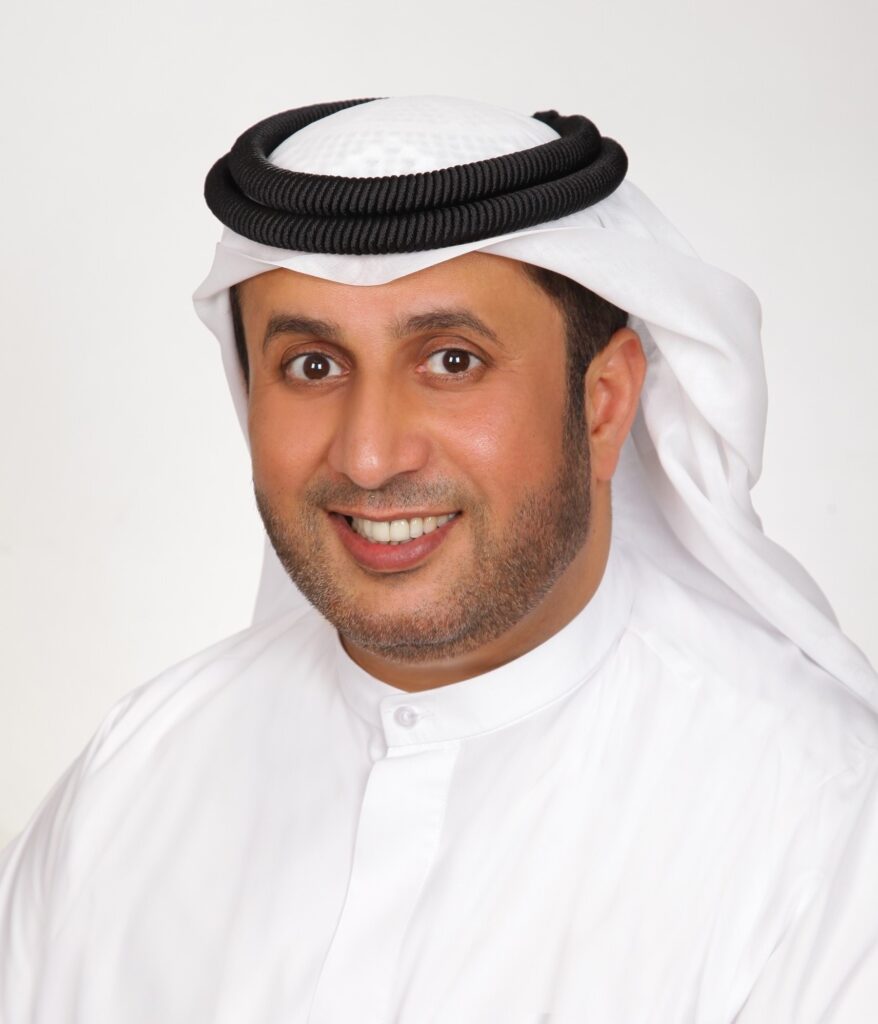
H.E. Ahmad Bin Shafar

Empower said to promote the highest occupational health and safety standards and foster a strong culture of safety, it had placed strong emphasis on training, and conducting 1,449 specialised sessions in occupational health and safety during 2025. Empower said thousands of employees had participated in the sessions, which covered key topics including safety procedures, regulatory compliance and environmental responsibility. The company said the efforts contributed to enhancing organisational awareness and strengthening staff preparedness.

Empower said the training sessions had covered safety procedures, regulatory compliance and environmental responsibility, contributing to improved organisational awareness and staff preparedness. Empower added that it continues to implement integrated policies under its Quality, Health, Safety and Environment framework with a focus on continuous review and development.

Empower said the approach ensures the maintenance of high safety standards while enhancing sustainable performance across its operations. Empower added that it has been re-certified for ISO 45001:2018 for its Occupational Health and Safety Management System by Bureau Veritas.

Ahmad Bin Shafar, CEO, Empower, said: “Empower places occupational health and safety at the core of its operations, based on the belief that providing a safe and healthy work environment is a fundamental pillar of sustained performance and enhanced operational efficiency. The company continues to develop its preventive systems and strengthen workforce readiness by implementing the highest health, safety and environmental standards, and by conducting regular inspection and training programmes that contribute to fostering a corporate culture rooted in awareness, responsibility and commitment.

“Empower’s results in this area reflect the effectiveness of its proactive approach to risk management and its commitment to providing a work environment that supports employee safety while maintaining business continuity at the highest levels of efficiency and reliability. On World Day for Safety and Health at Work, the company reaffirms its commitment to continuously reviewing and enhancing its policies and procedures to strengthen the culture of safety across all work sites and reinforce occupational health and safety as a fundamental pillar of its operational excellence framework.”

Premium Story

AIR QUALITY’S ROLE IN EMBRYO DEVELOPMENT | HVACR COMMENTARY | CCME ON AIRE

Good Indoor Environmental Quality (IEQ) is critical to achieving successful IVF outcomes. In an IVF laboratory, embryos are grown outside the human body, which means that their survival depends entirely on the environment around them, including the quality of the air. Since embryos are among the most sensitive cellular structures in medicine, they are highly […]

Good Indoor Environmental Quality (IEQ) is critical to achieving successful IVF outcomes. In an IVF laboratory, embryos are grown outside the human body, which means that their survival depends entirely on the environment around them, including the quality of the air. Since embryos are among the most sensitive cellular structures in medicine, they are highly vulnerable to airborne contaminants. Studies show that exposure to airborne contaminants can trigger oxidative stress — damaging cells, fragmenting DNA and impairing embryo development. In that context, multi-stage filtration systems, with advanced filter media in IVF facilities, can significantly improve embryo survival and treatment outcomes.

Premium Story

COLD CHAIN AND FOOD SECURITY AT A TIME OF SEA-ROUTE DISRUPTIONS | HVACR VIEWS | CCME ON AIRE

Bobby Krishna, Senior Specialist at the Food Safety Department of Dubai Municipality, in the UAE, and Brent Melvin, the General Manager of RSA Cold Chain, speak to Surendar Balakrishnan, the Editorial Director of CPI Industry on today’s global landscape, where food systems are under pressure from geopolitical disruptions, supply chain constraints and rising demand. The […]

Bobby Krishna, Senior Specialist at the Food Safety Department of Dubai Municipality, in the UAE, and Brent Melvin, the General Manager of RSA Cold Chain, speak to Surendar Balakrishnan, the Editorial Director of CPI Industry on today’s global landscape, where food systems are under pressure from geopolitical disruptions, supply chain constraints and rising demand. The conversation veers into how countries across the GCC region, in the Middle East, are working to ensure that food availability remains stable and resilient at a time of war. Food-related stability, the two say, is being achieved through strategic cold chain logistics, diversified sourcing, and strong and flexible regulatory frameworks.

Premium Story

SAFEGUARDING DATA CENTRES FROM DRONE ATTACKS | HVACR VIEWS | CCME ON AIRE

George Berbari, the CEO of DC PRO Engineering and Author of the critically acclaimed book, The Energy Budget, highlights how traditional data centres can be vulnerable to emerging threats, including low-cost aerial attacks. Fortress Data Centres are the way forward, Berbari tells Surendar Balakrishnan, Editorial Director of CPI Industry, adding that these facilities combine reinforced […]

George Berbari, the CEO of DC PRO Engineering and Author of the critically acclaimed book, The Energy Budget, highlights how traditional data centres can be vulnerable to emerging threats, including low-cost aerial attacks. Fortress Data Centres are the way forward, Berbari tells Surendar Balakrishnan, Editorial Director of CPI Industry, adding that these facilities combine reinforced structures, advanced cooling and protected infrastructure to ensure business continuity.

Premium Story

Hisense launches Hi-Smart H5 neo series VRF outdoor units in UAE

Company says the units have been designed to enhance energy efficiency, installation flexibility and operational reliability in high-temperature environments

DUBAI, UAE, 17 April 2026: Hisense launched its Hi-Smart H5 Neo Series VRF outdoor units for the UAE market. Making the announcement through an April 17 Press Release, Hisense said the new series represents an advancement in design, performance and reliability within its VRF product portfolio.

Hisense said the Hi-Smart H5 Neo Series incorporates upgrades in system architecture, electronic controls and software platforms to deliver enhanced energy efficiency and dependable operation. Hisense said the series strengthens the competitiveness of its VRF offering by providing flexible installation options suited to a range of project requirements.

Hisense said the Hi-Smart H5 Neo Series features side-discharge models, ranging from 12 HP to 16 HP, and can be combined up to 64 HP through four modules. Hisense added that the units have a slim and compact footprint, designed to support space-saving installation in constrained environments.

Hisense said the series includes a 1W standby mode to reduce energy consumption and offers a wide operating range of up to 58 degrees C, making it suitable for high- ambient conditions. Hisense added that the system features Electrical Control Box Cooling 2.0 to improve reliability, and Load Balancing Control technology to optimise system efficiency.

Hisense said the Hi-Smart H5 Neo Series has been designed to support flexible installation in narrow or limited spaces. Hisense said the series aims to provide value to projects through improved operational performance and adaptability.

Premium Story

Alessandro Catani appointed Managing Director of Alfaco

CAREL says the appointment is part of its strategy to strengthen its presence in the Polish market and support future growth

BRUGINE, Italy, 17 April 2026: CAREL said Alessandro Catani has been appointed Managing Director of Alfaco, the group’s Polish company. Making the announcement through an April 17 Press Release, CAREL said Catani, appointed to the post in December 2025, had joined the organisation following extensive international experience in the financial and industrial sectors across Italy and Poland.

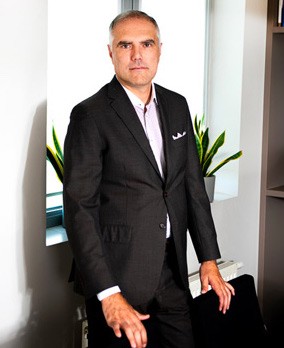
Alessandro Catani

CAREL said Catani had held positions of increasing responsibility throughout his career, leading complex organisations and contributing to the development of manufacturing businesses. CAREL said that prior to joining the company, he had served as General Manager of Steel.S Poland and had held senior management roles at Colorobbia Polska for over 10 years. CAREL said his experience combines industrial management expertise with an earlier career in the banking sector.

CAREL said the appointment forms part of its strategy to strengthen its presence in the Polish market and further consolidate its local organisational structure to support future growth opportunities and challenges.

Carlo Vanin, Group Chief HR, Organisation Officer, CAREL, said: “The Polish market is a strategic and dynamic environment for CAREL, where we intend to continue investing in order to be ever closer to our customers. We are confident that  Alessandro’s international experience and leadership capabilities will help strengthen Alfaco – CAREL Poland’s role in the region and effectively supports the needs of the local market.”