CCME.NEWS

Your source for the HVACR Industry, covering in-depth news & analyses on policy, business & technology.

Get Premium:

Sign-up

COMMERCIAL ENQUIRIES:

Frédéric Paillé
Co-Founder & Commercial Director
fred@cpi-industry.com
+971 50 714 7204

Follow Us

CCME.NEWS

CCME.NEWS, covering the regional and global HVACR industry with an unwavering commitment to providing in-depth news and analyses on policy, business and technology

Contact Info

PO Box 13700,
Dubai Media City, Dubai
admin@cpi-industry.com
+971 50 714 7204

Follow Us

Premium Story

Tabreed appoints Arqaam Securities as liquidity provider

New mandate will improve trading liquidity, boost investor confidence and benefit company shareholders

ABU DHABI, UAE, 22 October 2025: Tabreed appointed financial institution, Arqaam Securities, as liquidity provider for its shares listed on Dubai Financial Market (DFM). Making the announcement through a Press Release, Tabreed said the initiative is part of its ongoing efforts aimed at strengthening the trading dynamics of the company’s shares by improving liquidity and creating accessible market for investors.

As per the terms of the agreement, which will last for 12 months, Arqaam Securities is to commence liquidity provisioning on Tabreed shares by entering two-way quotes into the market trading system, all within set parameters and in full compliance with regulations and controls set by DFM and the UAE Securities and Commodities Authority (SCA), Tabreed said in the Press Release. This mechanism helps narrow the bid-ask spread, reduce volatility and enhance investor confidence, the District Cooling utility provider said. All relevant approvals, it added, have been granted, and the service is set to commence on October 22, 2025.

At no time during the mandate will Arqaam Securities’ ownership of Tabreed shares exceed five per cent of the total outstanding shares, Tabreed said, adding that the company has free float shares of 18.1% and is 100% open to foreign investment, with Mubadala and ENGIE as its two strategic shareholders. Tabreed said its appointment of such a licensed liquidity provider is a clear demonstration of its interest in ensuring smoother trading experience for investors and supporting a more stable and liquid market environment.

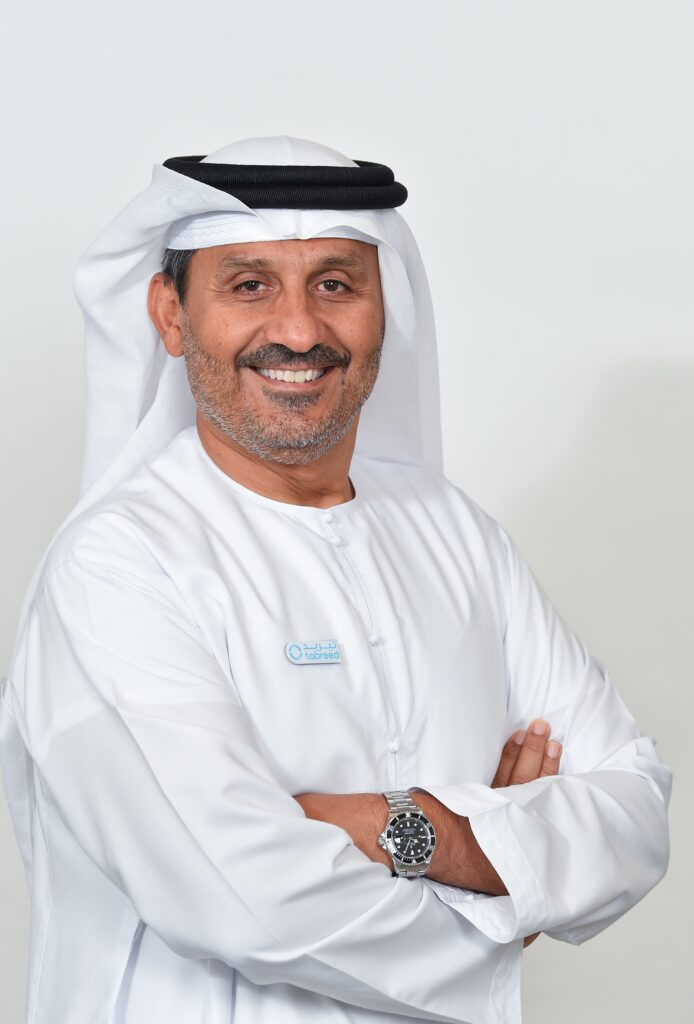
Commenting on the appointment, Khalid Al Marzooqi, CEO, Tabreed, said: “This appointment is first and foremost about our shareholders. With Arqaam as our Liquidity Provider on DFM, we aim to enhance access to Tabreed’s shares, giving investors greater flexibility in dynamic markets and reinforcing our focus on sustainable, long-term value creation.”

Khalid Al Marzooqi

Veselin Tilev, Head of Market Making, Arqaam, added: We are delighted to offer our Liquidity Provision services on the Dubai Financial Market to Tabreed, reinforcing our commitment to enhancing market depth and trading efficiency in the UAE. With our proven track record and deep understanding of local market dynamics, we are confident that Arqaam will contribute meaningfully to improving liquidity and facilitating active, orderly trading in Tabreed’s shares on the DFM.

Tabreed said that in the first half of 2025, it delivered steady growth, with revenue rising to AED 1.11 billion and net profit reaching AED 276 million, supported by higher cooling demand and record capacity additions that lifted total connected capacity to 1.37 million RT. Since then, the company said, it has completed two landmark transactions, taking total connected capacity to approximately 1.55 million RT and accelerating its strategy: Acquiring PAL Cooling alongside CVC DIF and securing the long-term Palm Jebel Ali District Cooling concession, in partnership with Dubai Holding Investments. Together, these transactions expand the platform and reinforce concession-backed cash flows and long-term earnings visibility, Tabreed said.

Following that performance, its shareholders approved the first-ever interim dividend of 6.5 fils per share on September 15, 2025, totaling AED 184.9 million for the first half of 2025, Tabreed said. The approval, the company added, signals confidence in its momentum and its commitment to delivering sustainable returns to shareholders.

Premium Story

ASHRAE releases technical programme for 2026 Winter Conference

Innovation, resilience and healthy buildings to headline the conference next year; early bird registration open until October 31, Society says

ATLANTA, GEORGIA, United States, 20 October 2025: ASHRAE said the full technical programme for the 2026 ASHRAE Winter Conference is now live. Making the announcement through a Press Release, ASHRAE said the event will take place from January 31 to February 4 in Las Vegas, Nevada, alongside the AHR Expo, which will run from February 2 to 4 at the Las Vegas Convention Center.

ASHRAE said attendees can explore the complete schedule via its 365 app or online and begin planning their custom conference agenda, including technical sessions, committee meetings, industry tours, award recognitions and networking events.

According to ASHRAE, the 2026 conference will feature over 100 technical sessions across nine topical tracks, offering Professional Development Hours (PDHs) for participants. The society added the tracks reflect its focus on integrating new technologies and strategies, such as AI, energy resiliency and decarbonisation, while advancing the fundamentals of HVAC&R design and operation.

Bill McQuade, President, ASHRAE, said: “The ASHRAE Winter Conference is where ideas become action. It’s a place for thought leaders, engineers and practitioners to exchange knowledge, explore the future of building performance and transform innovation into practical solutions. Attendees will leave not only with fresh technical insights, but also with the relationships and inspiration to move their projects forward.”

ASHRAE said key sessions include:

§ AI in Action: A Real-World Application of AI for Campus Energy Optimisation, a seminar exploring practical AI integration in energy systems

§ Development of a Building Services Cybersecurity Profile, a workshop focused on creating secure digital infrastructure for modern buildings

§ Next-Generation Refrigeration Systems for Supermarkets: Performance, Safety Requirements and Implementation Challenges, a panel addressing innovation and regulatory standards in commercial refrigeration

§ Human-Centred IEQ: Advancing Health and Performance in Modern Spaces, a seminar highlighting the role of Indoor Environmental Quality in occupant wellbeing and productivity

ASHRAE said the ASHRAE Learning Institute (ALI) will offer 21 professional courses, all approved for continuing education credits towards maintaining P.E. licensure. A new addition, Fundamentals of District Cooling System Design (MENA), will engage practitioners in the Middle East, Africa and Asia with region-specific content delivered in dual units (SI/IP).

Along with this, ASHRAE said, four additional new courses are being offered. They are:

§ Laboratory Controls – Devices and Strategies for Proper Airflow

§ Designing Residential Ventilation Systems to Meet ASHRAE Standard 62.2

§ Demystifying Dehumidification: Designing Efficient and Effective HVAC Moisture Removal Systems

§ Decarbonisation Tactics: Making Buildings Grid-Interactive

ASHRAE said several of these courses provide exam task content for ASHRAE Certifications.

ASHRAE said in-person early bird registration for the 2026 ASHRAE Winter Conference is USD 885 for ASHRAE members and USD 1,160 for non-members, which includes a complimentary one-year membership. Early bird discounts are available through October 31, 2025, with both individual and corporate virtual registration options offered.

Premium Story

Empower and Yokogawa reinforce collaboration to improve efficiency and sustainability in District Cooling

Empower highlights growth milestones as it expands collaboration with Yokogawa on smart technologies and optimisation initiatives

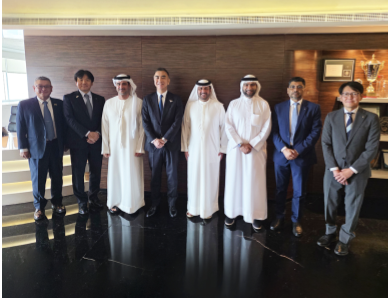
DUBAI, UAE, 20 October 2025: Emirates Central Cooling Systems Corporation PJSC (Empower) announced that H.E. Ahmad Bin Shafar, its CEO, welcomed a high-level delegation from Yokogawa Electric Corporation, a Japan-based company specialising in industrial automation and digital transformation, to Empower’s headquarters in Dubai. Making the announcement through a Press Release, Empower said the meeting focused on strengthening cooperation between the two entities and exploring future partnership prospects in advanced District Cooling technologies.

Empower said that H.E. Bin Shafar underscored the company’s recent achievements and highlighted its leadership in advancing the District Cooling sector locally and globally. Empower said that in the first half of the year, it signed 86 new contracts to supply over 99,000 refrigeration tons (RT) to various projects across Dubai, bringing its total contracted capacity to 1.86 million RT. Empower added that its connected capacity surpassed 1.6 million RT and that the number of buildings served reached 1,684.

Empower described the Yokogawa delegation’s visit as a significant milestone in their collaboration, which has already produced notable results in a short period. Empower reported that Yokogawa was recently awarded a contract to upgrade the legacy Building Management Systems (BMS) at Empower’s plants using advanced technologies. Empower added that a joint optimisation pilot study at one of its plants demonstrated substantial energy savings with the use of Yokogawa’s systems.

Empower also said the companies successfully completed a pilot project at the Palm Jumeirah plants, testing wireless vibration monitoring systems that aim to improve asset reliability for rotating equipment. Empower said that these projects are part of a broader effort to integrate smart automation and digital transformation solutions across its operations.

In a statement, H.E. Bin Shafar said, “This visit underscores the strong partnership between Empower and Yokogawa and reflects our shared commitment to leveraging cutting-edge automation and digital transformation solutions to enhance the efficiency and sustainability of the District Cooling sector. At Empower, we operate with an ambitious vision aligned with the UAE’s Net Zero 2050 Strategy, continuously investing in smart technologies and advanced infrastructure that help optimize energy use, reduce carbon emissions, and enhance operational performance. Our collaboration with Yokogawa is a key part of our ongoing efforts to expand the adoption of innovative systems across our plants and deliver measurable results in energy efficiency and asset reliability. We look forward to build on this successful partnership to explore new solutions that support Dubai’s transition to a sustainable, low-carbon economy and strengthen Empower’s position as the world’s largest District Cooling services provider and a global leader in innovation and sustainability.”

Premium Story

A place where nobody and nothing can fail

Dr Iyad Al-Attar, independent air filtration and IAQ consultant, reports on lessons learnt from visiting an IVF facility

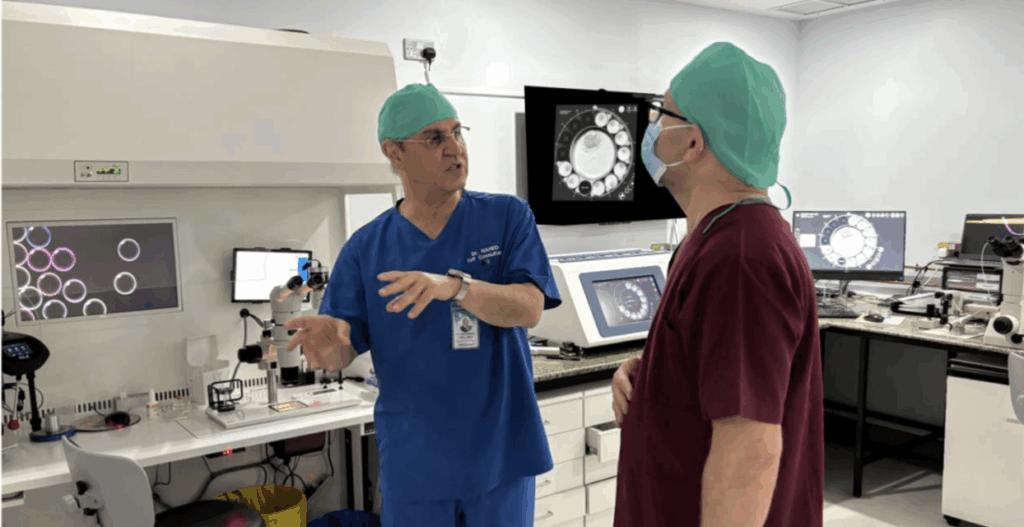
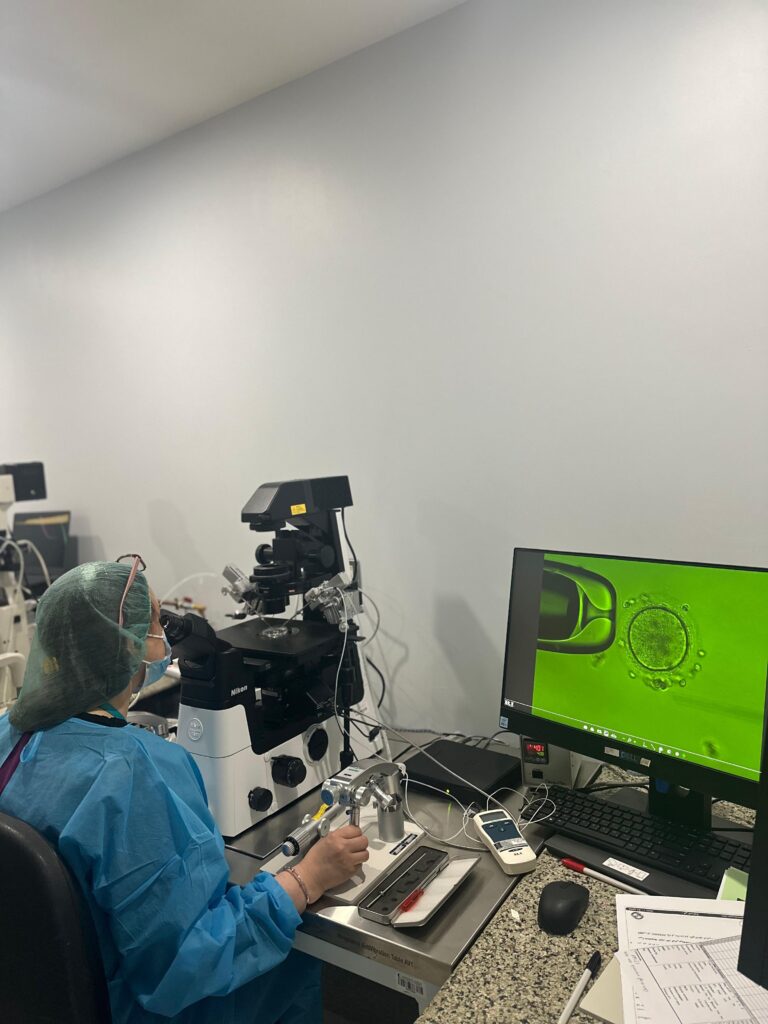
During my recent visit to an In Vitro Fertilisation (IVF) facility in Mowasat Hospital, in Kuwait City, led by Dr Nahed Hammadieh, a globally respected consultant and sub-specialist in reproductive medicine and surgery, I was overwhelmed by the profound responsibility carried within its walls. Unlike many other medical environments, this is a place where failure is not an option. Every system, every process and every human interaction is designed to serve one delicate, transformative purpose – the beginning of life.

Walking through the laboratories and patient care areas, I was reminded that precision here is not a luxury – it is about ensuring survival. The HVAC and air filtration systems must be uncompromisingly reliable, shielding embryos from microscopic threats invisible to the human eye, and providing fit-for-purpose thermal comfort and optimal air quality. The medical instruments must perform with flawless accuracy, leaving no room for error.

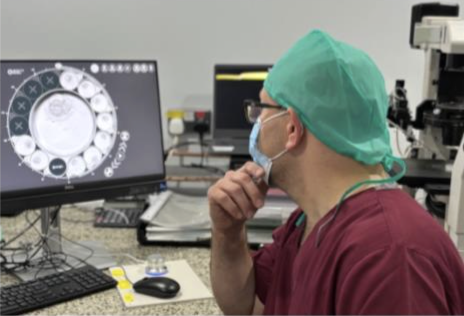
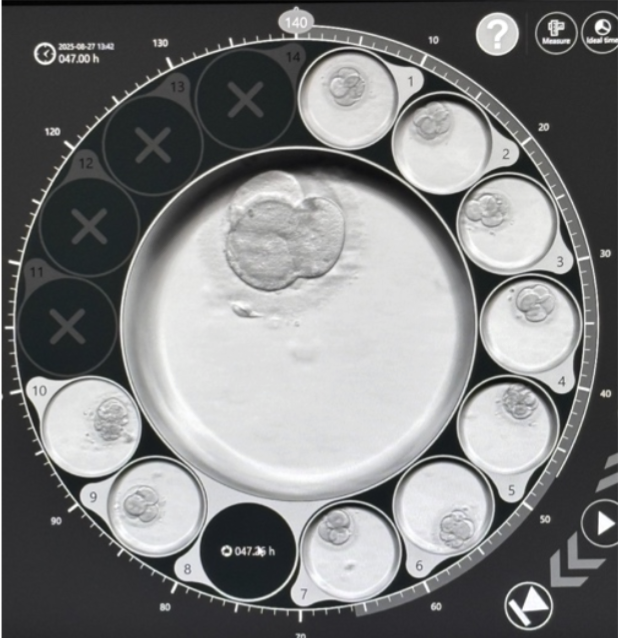
Embryos development in time lapse

Even the air quality, lighting and sterility of the environment play a decisive role in whether hope is preserved or lost. In an IVF facility, time and trust intertwine. Couples arrive with immense expectations, placing their dreams in the hands of doctors, nurses and technicians, who must balance science with compassion. Each embryo represents a scientific marvel and a personal miracle-in-waiting. The margin for error narrows to almost nothing; it is not merely a technical mission but an ethical one.

As I reflected on the facility’s operations, it became clear that this environment mirrors a greater lesson for all fields of engineering, medicine and human endeavour. We must design and operate as though nothing can fail – because for those waiting outside these walls, failure is unthinkable.

In IVF, the promise of life itself rests on resilience, reliability and relentless dedication. Standing in that facility, I felt both humbled and inspired; this is not just medicine – it is hope, engineered with precision and guarded by uncompromising care.

Premium Story

The invisible incubator

Speaking from the perspective of a Clinical Embryologist, Areej Abu Farha explains why air quality is critical to IVF success

When a couple embarks on the journey of In Vitro Fertilisation (IVF), their focus naturally lies on specialist doctors, complex drug protocols and cutting-edge technology. Yet, the fate of the resulting embryos often hinges on an unseen element – the quality of the air inside the IVF laboratory. This meticulous, unseen environmental control is arguably the unsung hero of successful Assisted Reproductive Technology (ART) procedures.

Embryos, particularly in their earliest stages, are among the most sensitive cellular structures handled in medicine. Grown outside the protective confines of the human body, they rely entirely on the laboratory environment to mimic the ideal conditions of the fallopian tubes and uterus. Every variable – temperature, pH, humidity, culture media composition and light – is strictly regulated, but air purity remains the most challenging factor to stabilise.

Understanding the micro-environment of the IVF lab

The modern IVF laboratory follows very strict environmental and safety standards to create the best possible conditions for embryo development. The air inside the lab is constantly filtered and renewed to keep it clean and free from harmful particles or chemicals. Positive air pressure helps prevent outside contaminants from entering the lab. These careful controls provide eggs, sperm and developing embryos with a calm and stable environment that supports healthy cell growth and normal development to the blastocyst stage.

The threat of Volatile Organic Compounds

The primary airborne danger in an IVF laboratory comes from Volatile Organic Compounds (VOCs) and ultrafine particulate matter. VOCs are a diverse group of chemical gases released from common materials. In an ART setting, sources are often localised and unexpected:

· Building Materials: Adhesives, sealants, new paint, flooring and certain plastics

· Laboratory Chemicals: Isopropanol, formaldehyde used for pathology samples (even outside the lab) and residual sterilising agents

· Personal care products: Staff perfumes, scented lotions and strong cleaning products that off-gas

Studies have shown that exposure to specific VOCs – including toluene, benzene and xylene – can induce oxidative stress in embryos, leading to increased Reactive Oxygen Species (ROS) production. This damage causes lipid peroxidation of cell membranes and can trigger apoptosis (programmed cell death) or lead to DNA fragmentation, both of which severely impair developmental competence and reduce implantation rates. Simply put, a contaminated atmosphere can halt embryo growth and compromise the chance of a viable pregnancy.

Strategies for optimal air management

Achieving and maintaining pharmaceutical-grade air quality requires a three-pronged approach, involving engineering, technology and human discipline. This can be faciliated by advanced air filtration and handling systems, which provide optimal air quality to the IVF facilities. Furthermore, leading clinics employ continuous air monitoring systems that routinely sample the air and culture media for total VOC load. These checks – alongside constant tracking of air pressure differentials, temperature and humidity – provide embryologists with real-time feedback, ensuring any breaches are immediately detected and addressed. In addition, technological filtration is ineffective without strict personnel protocol and discipline and human diligence. Most labs enforce mandatory protocols.

Why we matter?

Embryologists are arguably the most critical personnel in an IVF lab, as they are directly responsible for the delicate handling, observation and manipulation of the gametes (sperm and eggs) and the resulting embryos. Their expertise dictates the success or failure of the entire fertilisation process. From performing ICSI (Intracytoplasmic Sperm Injection) or conventional insemination to managing the strict environmental conditions of the incubators, the embryologist’s role is multi-faceted and non-negotiable for achieving viable embryos. They are the scientists who nurture life in its earliest, most fragile stage, making their skill, knowledge and steady hand indispensable to reproductive success.

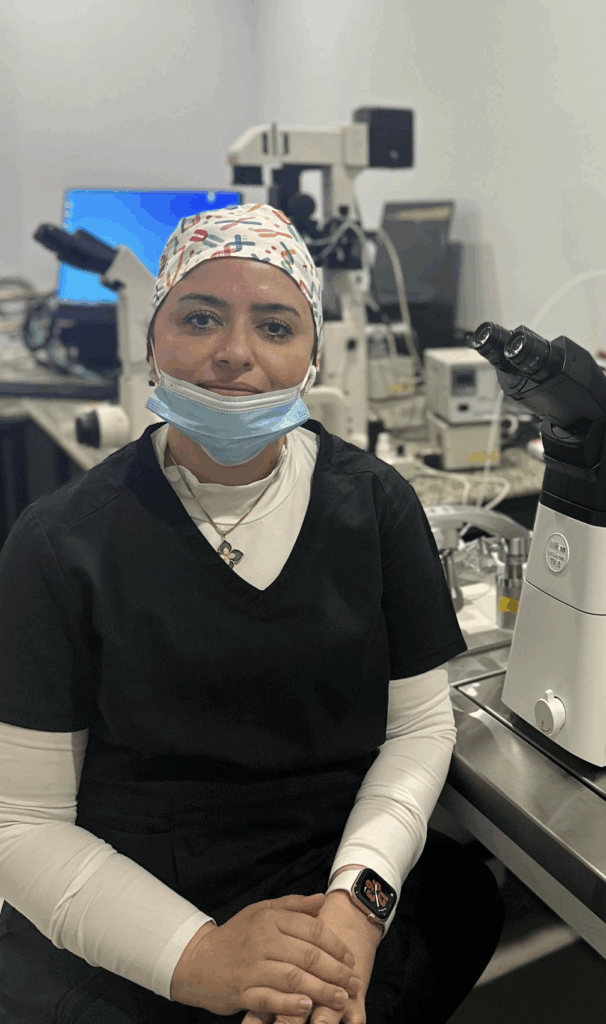
Areej Abu Farha

This responsibility mandates a perfect, unwavering attention to detail in every step of the laboratory procedure. A slight deviation in incubator temperature, an error in media preparation, or a missed observation of a developing embryo’s grading can have catastrophic consequences for the potential pregnancy. Embryologists must meticulously track the identity of every sample, perform precise micromanipulation with the utmost care, and adhere strictly to all quality control and assurance protocols. This rigorous demand for precision ensures that the optimal embryo is selected for transfer, maximising the patient’s chances of a successful pregnancy and underscoring why their vigilant and detail-oriented work is the bedrock of a successful IVF programme.

The intense pressure and emotional weight inherent in the IVF process extend far beyond the laboratory bench to impact the health and wellbeing of all involved. IVF staff – including doctors, embryologists, nurses and administrative personnel – often face long hours, high stakes and the emotional burden of navigating patient hopes and disappointments. This environment necessitates robust support systems to prevent burnout, stress and compassion fatigue among the care providers. Similarly, the patients undergoing treatment experience significant emotional distress, anxiety and physical strain. A holistic approach to IVF care must, therefore, include dedicated mental health resources, counselling services and support groups for both staff and patients. Prioritising psychological wellbeing ensures better decision-making by the clinical team and a more resilient, positive experience for the patients, ultimately contributing to a healthier and more successful treatment journey for everyone.

Clean air as a clinical outcome

The evidence is definitive: Clinics that have significantly invested in and maintained superior air quality control systems report substantial increases in key performance indicators, including higher blastocyst formation rates, improved embryo morphology and, ultimately, statistically higher clinical pregnancy rates.

Air quality is not an engineering footnote; it is a critical clinical variable. For the embryologist, managing the air is as crucial as managing the culture media. For the patient, knowing that their most precious cells are being nurtured in the purest possible environment provides reassurance that every effort is being made to achieve the dream of parenthood. In the IVF laboratory, the cleanest air is quite literally the breath of life.

Premium Story

Exergio: ‘EU’s five-year Climate Review overlooks fastest fix for buildings

Latest tech “left out and forgotten”, organisation says

VILNIUS, Lithuania, 8 October 2025: The European Environment Agency (EEA) released a five-year review of Europe’s climate progress, in which it highlighted how buildings still top Europe’s emissions and are responsible for 42% of energy use and 35% of CO₂ emissions.

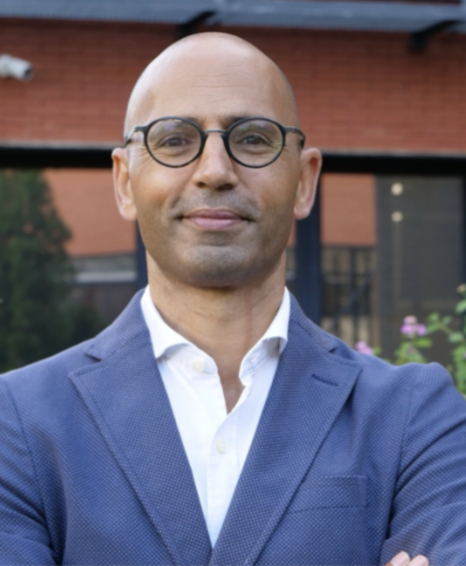
Donatas Karčiauskas (Source: Exergio)

Yet, energy industry stakeholders noted that the issue is that the prescribed solution to reduce emissions did not change from what it was five years ago. Instead of utilising novel technologies, the report suggests more renovation, insulation and boiler replacements while doubling down on renewables, Exergio, a company that develops AI-based tools for energy efficiency in commercial buildings, said. In the EU, 75% of buildings are still energy inefficient, Exergio said.

Since 85% of the stock that will stand in 2050 is already built, the cost and time needed for large-scale renovation run into decades and costs billions, it said, adding that this simply shows how Europe’s strategy lags behind reality.

“The EEA report comes once every five years, but some parts of it, unfortunately, feel stuck in the past,” said Donatas Karčiauskas, CEO, Exergio. “In recent years, AI has transformed how we manage cars, grids, medicine and many other industries. Yet when it comes to buildings, Europe’s most important climate review still talks only about insulation and boilers. The tools that in our practice could cut up to 30% of waste are invisible in this review.”

Independent reports confirm that just adding AI to buildings’ energy management systems could help them cut energy from eight per cent to 40%, yet the EEA’s review does not mention it once for buildings, Exergio pointed out.

However, while missing from the report, Karčiauskas said that AI retrofits are already used in commercial buildings. AI-based platforms, he added, link into existing energy management systems, track HVAC, heating, cooling and lighting in real time, and stop waste before it accumulates.

By ignoring these tools, EEA signals to policymakers that only physical renovations count, Karčiauskas said.

“The report is right to say buildings are Europe’s biggest problem,” Karčiauskas said. “But it fails to show how quickly we can act. Renovations are essential, but they are too slow to carry us to 2030’s goals. If AI is not even mentioned in the continent’s flagship review, then policymakers will continue to overlook the fastest lever we have.”

Elaborating on how these tools are used in practice, Exergio said usually, an AI-based platform pulls live data, pinpoints inefficiencies and adjusts operations automatically. It means that heating and cooling gets cut back in empty rooms, airflow is trimmed in real time and boilers only become staged when needed, Exergio said. This way, it added, building owners adopt them to save costs and cut emissions – two outcomes rarely achieved together with traditional retrofits.

“In some of our cases, we achieved millions of savings,” Karčiauskas said. “If policymakers recognised this in their climate plans, we would see lower CO₂ emissions and happier businesses before the next five-year review.”

Exergio warned that climate reporting must catch up with technology. The traditional path of renovations and insulation will still be necessary, but if energy systems do not operate intelligently, buildings will continue wasting energy. “If AI stays left out and forgotten from the agenda until the next review, in 2030, Karčiauskas said, Europe risks seeing the same numbers, the same gaps and another five-year cycle lost.”

Premium Story

‘Air pollution is a pervasive environmental determinant of health’

Pollutants like PM₂.₅, PM₁₀, nitrogen oxides, ozone, Volatile Organic Compounds and ultrafine particles have been implicated in impaired gamete quality and embryo development, says molecular geneticist, James Webb

Human health, in both men and women, is shaped by a complex interplay of biological, lifestyle and environmental factors that influence overall wellbeing and reproductive potential. While both sexes share many common health determinants – such as nutrition, stress and physical activity – there are also key physiological and hormonal differences that uniquely affect fertility. Understanding these distinctions and how they interact with age, genetics and modern lifestyles is essential for addressing reproductive challenges and promoting long-term health for men and women.

Growing evidence demonstrates that ambient quality and Indoor Air Quality (IAQ) significantly influence reproductive outcomes, particularly in Assisted Reproductive Technologies (ART), such as In Vitro Fertilisation (IVF). Pollutants, including fine particulate matter (PM₂.₅ and PM₁₀), nitrogen oxides, ozone, Volatile Organic Compounds (VOCs) and ultrafine particles, have been implicated in impaired gamete quality and embryo development.

Air pollution is a pervasive environmental determinant of health with established systemic impacts. Within reproductive medicine, growing research links exposure to airborne pollutants to reduced fertility, adverse pregnancy outcomes and diminished IVF success rates. The effects are mediated not only through oxidative and inflammatory damage to reproductive tissues but also via epigenetic remodelling processes that affect gamete competence and early embryogenesis.

Several large-scale cohort and registry studies have demonstrated associations between ambient air pollution exposure and reduced IVF outcomes. Choe et al. (2018) reported that higher PM₂.₅ exposure during ovarian stimulation and embryo culture correlated with decreased clinical pregnancy rates. Similarly, Wang et al. (2019) observed that increased particulate and nitrogen oxide exposure during embryo culture reduced implantation and live birth rates. Boulet et al. (2019) and Bertin et al. (2022) provided complementary findings from population-based data, indicating that pollutant exposure around oocyte retrieval and embryo transfer impairs IVF success. The most robust associations have been observed when exposures are temporally aligned with the peri retrieval or in vitro culture windows (Leathersich et al., 2025), underscoring the vulnerability of these critical developmental periods. Importantly, investigations have demonstrated that improving laboratory air filtration systems results in measurable improvements in fertilisation and implantation rates (Wang et al., 2019; Choe et al., 2018), suggesting causality.

Air pollutants induce oxidative stress and inflammation within the reproductive microenvironment, disrupting mitochondrial function, redox signalling and one-carbon metabolism. These perturbations alter the activity of chromatin-modifying enzymes, resulting in DNA methylation changes, histone modifications and dysregulation of non-coding RNAs. Gaskins et al. (2023) and Xu et al. (2025) have shown that exposure to air pollution can lead to aberrant methylation in granulosa cells and spermatozoa, potentially impairing oocyte and embryo competence. Van den Berg et al. (2024) further identified methylation alterations in placental tissue associated with prenatal exposure to fine particulates, reinforcing a mechanistic link between environmental exposure, epigenetic dysregulation and early developmental impairment.

IVF laboratories represent controlled environments where air quality can be systematically optimised. Esteves et al. (2019) emphasised the importance of HEPA and activated-carbon filtration, positive-pressure cleanrooms and zoning within HVAC systems to reduce exposure to PM and VOCs. Continuous monitoring of PM₂.₅, VOCs, CO₂ and humidity has been adopted as a best practice to ensure stable conditions for gamete and embryo culture. Operational measures – such as using low-VOC consumables, minimising personnel movement and performing pre/post-retrofit performance audits – have been associated with improved fertilisation and implantation outcomes (Esteves et al., 2019; Wang et al., 2019).

The emerging field of reproductive epigenomics offers promising biomarkers for assessing the biological effects of environmental exposure on fertility. Candidate applications include granulosa-cell DNA methylation profiling, sperm methylome and small RNA analyses and non-invasive embryo culture media assays. These biomarkers could serve as early indicators of gamete quality or as quality-control tools linked to air quality metrics (Gaskins et al., 2023; Xu et al., 2025). While the translational potential is significant, challenges remain in assay standardisation, reference range definition and longitudinal validation (van den Berg et al., 2024).

To strengthen causal inference and clinical utility, future research should focus on high-resolution exposure assessments combining personal and laboratory monitoring with IVF outcome data (Leathersich et al., 2025; Bertin et al., 2022). Randomised or quasi-experimental studies testing air quality retrofits in IVF clinics, coupled with embedded epigenetic analyses, will help validate environmental interventions. Concurrently, the development of clinical-grade assays for granulosa and sperm epigenetic profiling will enable the integration of molecular biomarkers into precision IVF strategies.

In conclusion, current evidence supports a mechanistic framework in which poor indoor and outdoor air quality reduces IVF success through oxidative and epigenetic disruption of gametes and embryos. Integrating rigorous IAQ control systems with validated epigenetic biomarkers may enhance IVF success rates, offering a translational pathway towards precision environmental management in reproductive medicine.

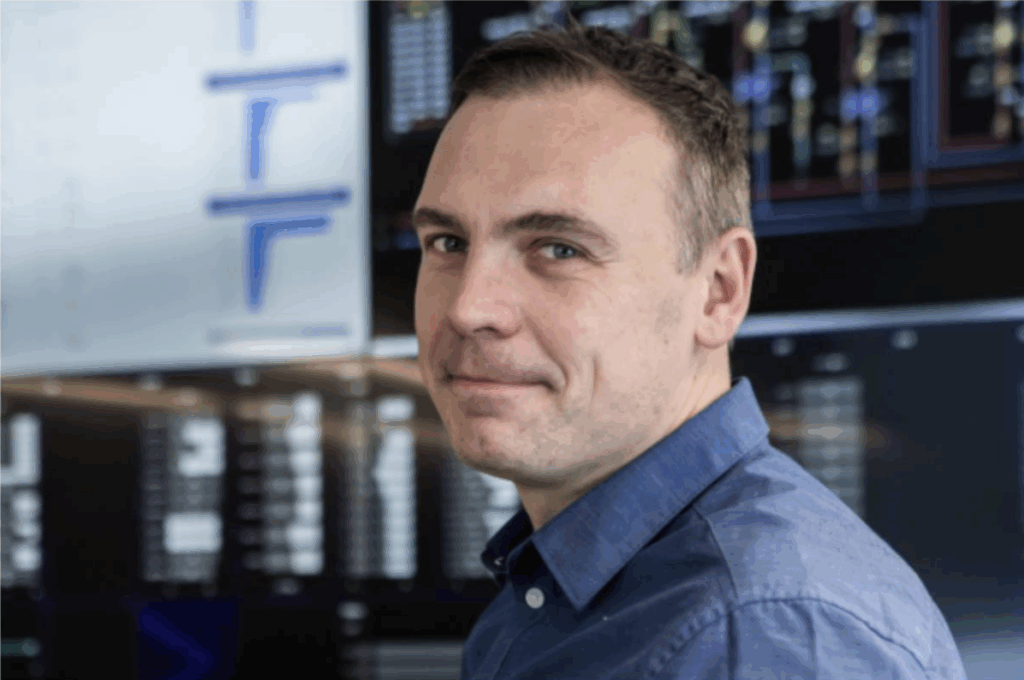
James Webb

References

Choe SA, Jun YB, Lee WS, Kim SY, Kim YJ. Ambient air pollution exposure and clinical pregnancy rates after IVF. Hum Reprod. 2018;33(6):1071–1079.

Wang X, Chen C, Zhang Z, et al. Association between ambient air pollution and IVF outcomes during embryo culture. Hum Reprod. 2019;34(12):2451–2460.

Boulet SL, et al. Ambient air pollution and in vitro fertilization outcomes. Hum Reprod. 2019;34(12):2401–2411.

Bertin M, et al. Ambient air pollution and IVF outcomes: A nationwide study. BMJ Open. 2022;12:e056982.

Leathersich SJ, et al. Spatial and temporal air pollution exposure and IVF outcomes. Hum Reprod. 2025;40(3):512–523.

Gaskins AJ, et al. Environmental exposures and reproductive epigenetics: Current evidence and future directions. Clin Epigenetics. 2023;15:88.

Xu J, et al. Mechanistic insights into air pollution-induced epigenetic alterations in reproductive tissues. Reprod Toxicol. 2025;120:108578.

van den Berg E, et al. Air pollution, placental methylation, and developmental outcomes. Clin Epigenetics. 2024;14:51.

Esteves SC, et al. Laboratory air quality control in IVF: Practical recommendations. Reprod Biomed Online. 2019;38(6):879–890.

Premium Story

Event speaks on future-proofing the cold chain

Sustainability, standardisation and smart technology take centre stage

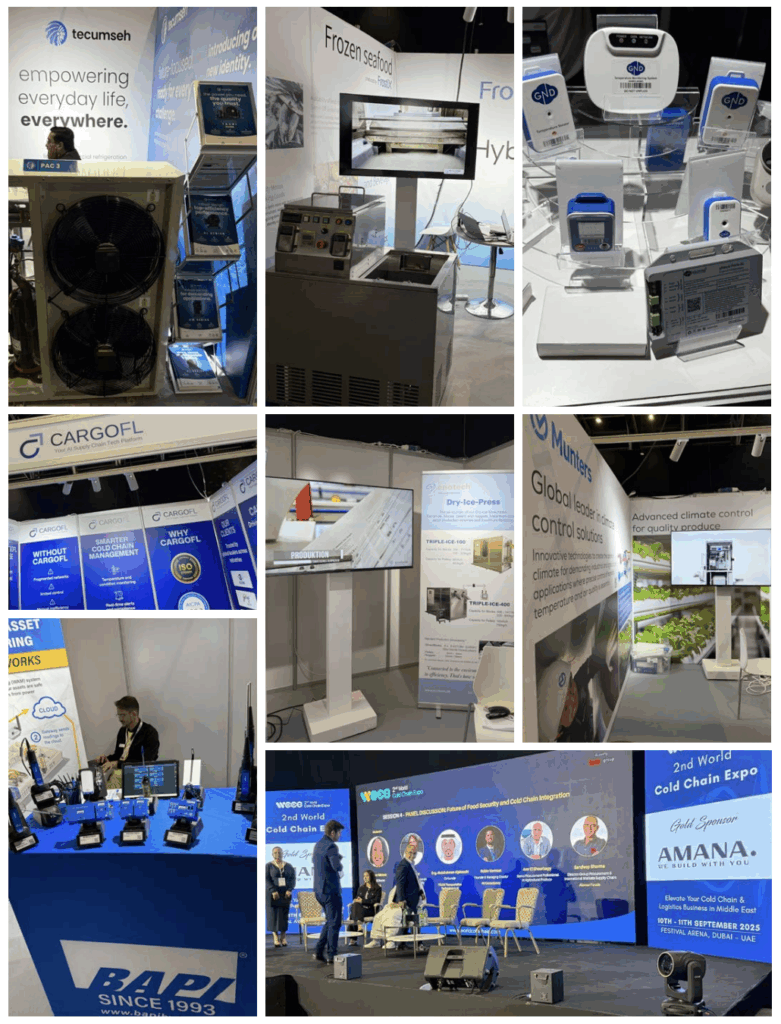
ORGANISED by TAB Group, the 2nd World Cold Chain Expo 2025, on September 10 and 11 in Dubai, brought together representatives from logistics, food, pharma, technology and policy to discuss how innovation, sustainability and collaboration can reshape the region’s cold chain infrastructure.

Held under the theme, “FutureProofing Cool Chain: Technology, Sustainability and Innovation in the Middle East”, the event witnessed speakers exploring ways and means to align growth with efficiency and responsibility. They – and delegates – converged around a single premise: Technology may drive the cold chain’s evolution, but its success will ultimately depend on collaboration, compliance and circular thinking. Across sessions, panellists and speakers examined the pressures facing the sector, including rising energy costs, population growth, tightening environmental expectations and the pathways towards a resilient, data-driven future.

The speakers widely recognised digitalisation, automation and artificial intelligence (AI) as catalysts for change. Gurumurthi Shankar, Chief Operating Officer, Global Shipping & Logistics, said the cold chain remains an energy-hungry and high-cost industry, where “transformation is being led by technology”. He described how automation and robotics have enabled near-manless warehouse operations, while advanced refrigerant systems are reducing energy consumption and emissions.

Jean De Bernardi, Technical Director, Honeywell – Europe, the Middle East, Turkey and Africa, expanded on this, highlighting developments in insulation and CO2 management that allow greater efficiency and control. Echoing the technological optimism, Shashi Shekhar, Founder and Chairman, Supply Chain and Logistics Group (SCLG), said that in the coming years “there will be focus on automation”. He added that AI and realtime data collection would reshape the ability to track and trace goods, enabling more responsive logistics networks.

For Fabrice Panza, Global Head of Pharma Development, Etihad Cargo, the most significant technological disruption is occurring in the pharmaceutical sector. He pointed to precision therapy as a defining trend that demands new cold chain models and highly trained personnel. “High quality is possible only if you strive for a centre of excellence,” he said, underscoring that data integrity directly affects product integrity.

Collectively, the speakers described a sector moving towards smarter, leaner and more predictive operations, one that embraces robotics, modular construction and integrated monitoring systems to maintain reliability while cutting costs.

Sustainability cut across nearly every discussion, with several speakers linking innovation to environmental responsibility. Shankar said Global Shipping & Logistics had embarked on an ESG journey to curb carbon emissions through automation and solar energy. He acknowledged the challenges of maintaining solar panels in dusty conditions but noted the company was testing robotic cleaners to improve safety and efficiency.

De Bernardi emphasised that lifecycle analysis is essential when comparing refrigeration technologies, remarking that “comparing one technology to another does not make sense” without examining full environmental impact. He added that operational excellence through reduced CO2 output, water conservation and lower downtime must underpin sustainability goals.

From the food sector, Dina Mongy, Associate Director – Corporate Affairs and Sustainability, Nestlé, outlined the company’s regional approach. She said that all four of Nestlé’s UAE factories are powered by solar energy and that the organisation collaborates with NE’MA, the country’s first federal food waste management body. Mongy added that while these efforts reduce waste, their high cost can limit adoption until sustainability becomes mandated by law.

Praviin Bhuwaneshwar Kumaar, Regional Representative South Asia, GOGLA, and Consultant at IFC – World Bank Group, presented research showing that although 60% of food is refrigerated, wastage remains high. He said that renewable innovation – particularly the use of solar energy – and stronger regulatory backing were needed to unlock the cold chain’s full sustainability potential.

The shared message was clear: Cleaner energy and efficiency are no longer optional enhancements but core business imperatives for a sector under scrutiny for its carbon footprint.

Speakers repeatedly returned to the need for harmonised standards and coordinated policymaking. Shankar identified regulatory consistency as the foundation for quality, cost control and sustainability. De Bernardi advocated for shared standards and digital twins to model and improve system performance, while Shekhar warned that end-to-end standardisation remains a formidable challenge, given the complexity of global supply networks.

Shekhar further argued that policy feedback should “come from people on the ground”, who understand operational realities, urging regulators to consider such insights when shaping frameworks. Mohammed Nassar Al Refaee, Managing Director and Chief Executive Officer, NRTC Group, added that innovation and AI would define the new compliance landscape, as quality must “never be compromised”.

In a session dedicated to logistics, Andrea Cavalet, President of the HVACR association, Eurovent Middle East, said the association’s third-party certifications help bridge the gap between policymakers and industry by providing advocacy, education and technical validation. Cavalet called for certified technicians and better market awareness to strengthen enforcement.

Nissrine Elqobai, Chief Executive Officer, ENY Consulting, discussed the cost implications of implementing standards in hot climates, observing that last-minute compliance often proves more expensive than early adoption. Governments, she said, must enforce regulations in ways that encourage proactive industry participation.

The conversations revealed a sector eager for consistency across data protocols, equipment standards and regional policies, believing that regulation can become an enabler rather than a burden when well aligned with industry needs.

Food security emerged as a central concern, linking technological and environmental priorities. Sandeep Sharma, Director – Group Procurement and International Markets Supply Chain, Alamar Foods, said that geopolitical conditions have added complexity to cold chain integration, reinforcing the need for temperature control and supply continuity.

Robin Vermaat, Founder and Managing Director, RV Consultancy, emphasised collaboration, arguing that “no cookie-cutter solutions” exist for such a diverse region. Instead, partnerships among policymakers, technology developers and operators are essential to design context specific systems.

Mongy reiterated that sustainability in logistics cannot be separated from food waste reduction. She said that harmonising policies across the different GCC region entities, rather than maintaining fragmented regional regulations, would support road optimisation, digital traceability and, ultimately, blockchain-based control systems.

Interestingly, the Keynote Address, by Tariq Al-Suwaidi, Director, New Economy Department, UAE Ministry of Economy, reinforced these points. He said that through the Circular Economy Council, the UAE aims to halve food waste by 2031 and strengthen collaboration across federal, local and private sectors. Al-Suwaidi also cited business law reforms and the Golden Visa programme as factors attracting innovation and investment in sustainability.

Mira El Ghaziri, Managing Director, HealthyPath, connected food security to agricultural innovation. Working with the Dutch Ministry of Agriculture, she said her organisation promotes crop diversity suited to local conditions, and called for bridging “the gap between the economy and the industry” to position the UAE as a global leader in sustainable agriculture.

Several presentations showcased tangible innovations shaping the cold chain’s physical and digital infrastructure. Honeywell’s De Bernardi presented the company’s shift to ultra-low-GWP refrigerant, R1234ze and a new chiller design offering higher energy efficiency and water savings. And Mohannad Al Omar, Business Development Manager, Group AMANA, introduced DuPod modular construction, comparing it to “a car assembly unit” that moves much of the build process from site to factory to improve predictability and reduce time to market. Irina Albanese, Head of DHL’s Innovation Centre for the Middle East and Africa, outlined next-generation packaging solutions integrating real-time tracking, analytics and alerts, while Shankar detailed advances in dark warehouses, robotic arms and AIbased predictive maintenance. Siva Reddy, Founder, GND Solutions India, demonstrated smart sensors for temperature and humidity monitoring, claiming they could significantly reduce spoilage. Mohammed Salem Al Shamisi, Section Head – Dates and Goods Subsidy Program, Abu Dhabi Agriculture and Food Safety Authority, closed with an appeal to reduce post-harvest losses through cooling technologies and training farmers in handling and marketing.

Together, these innovations underscored the sector’s momentum towards intelligent, modular and sustainable systems that serve both business and environmental objectives.

Across panels and presentations, the 2nd World Cold Chain Expo 2025 highlighted a region-wide commitment to reimagining the cold chain as a smarter, cleaner and more cooperative ecosystem. Whether through AIdriven logistics, renewable power integration or unified standards, participants agreed that only a holistic approach, where technology, policy and sustainability advance in tandem, can future-proof the cool chain for the decade ahead.


Premium Story

Seeley showcases indirect evaporative cooling technology at Dubai’s Spice Souk

Hosts Australian delegation to demonstrate sustainable cooling innovation at the heritage site, in partnership with Climagulf Trading

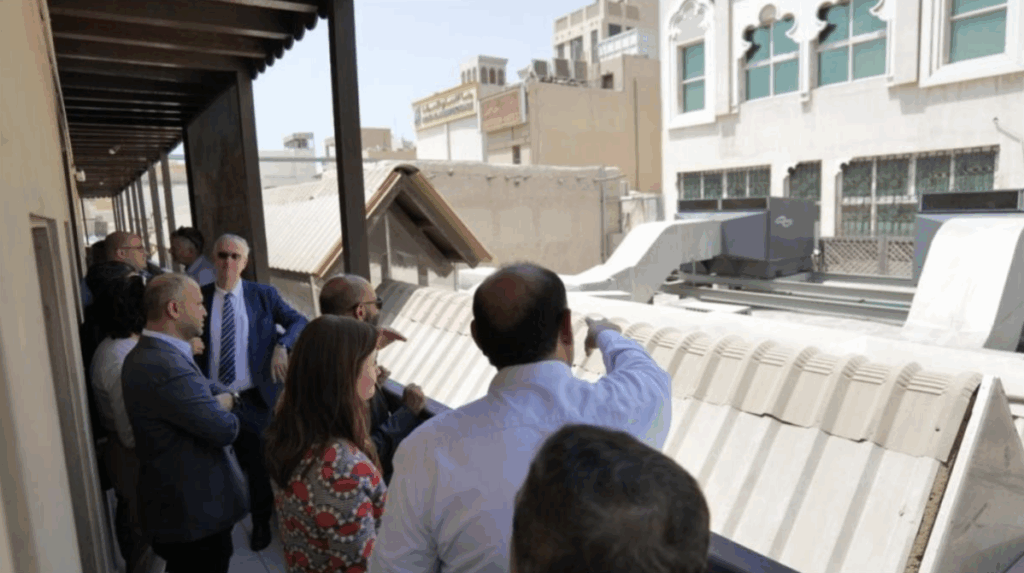
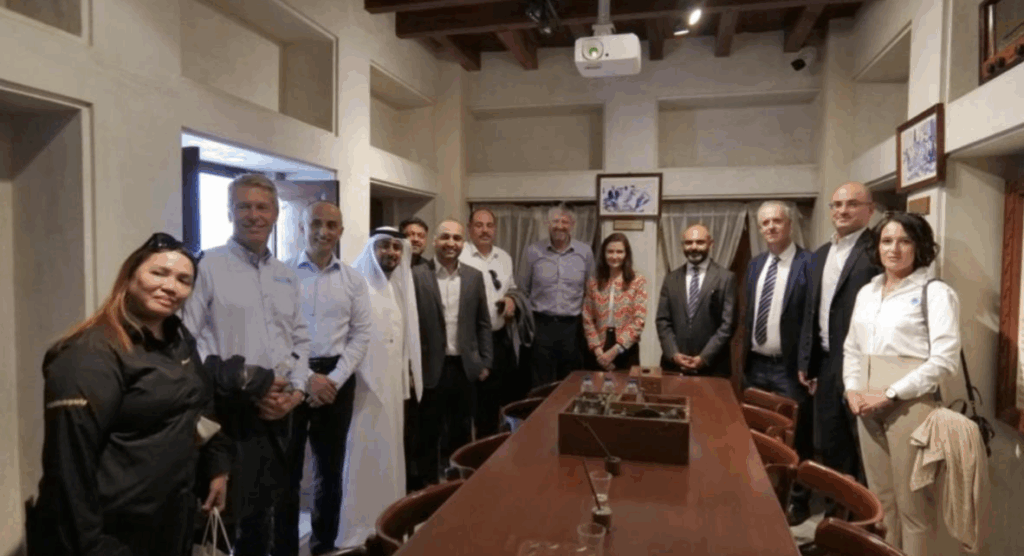
DUBAI, UAE, 25 September 2025: Seeley International, in partnership with Climagulf Trading, hosted a high-level Australian delegation at the Deira Baniyas Spices Souk to showcase the region’s first installation of indirect evaporative cooling systems in an open-air heritage market.

Making the announcement through a Press Release, Seeley said the event spotlighted the installation of Climate Wizard, which the company described as a cutting-edge adiabatic cooling technology designed to deliver up to 80% energy savings compared to conventional air conditioning. Installed in late 2023 by Fawaz Group, the official contractor for the project, these systems now cool the pedestrian walkways of the Spice Souk, offering a sustainable solution to one of the region’s most pressing urban challenges – climate control in open public spaces, Seeley said.

The visit, facilitated with the support of the Australian Consulate General in Dubai and the Australian Embassy in Abu Dhabi, brought together senior Australian diplomats and officials, including H.E. Bryony Hilless, Consul General of Australia in Dubai; Jay Sangani, Deputy Head of Mission, Australian Embassy – Abu Dhabi; Mounir Sankary, Senior Trade Commissioner at Austrade; and Sidharth Mehta, South Australia’s Trade Representative in the MENA region.

Seeley said Ahmed Adra, COO, Fawaz Group, joined its Group Managing Director, Jon Seeley and Seeley EMENA Senior Sales representatives in the site visit, reinforcing the benefits of the system and explaining the technicalities of the installation.

“This project is a testament to what can be achieved when innovation meets collaboration,” Seeley said. “We are proud to contribute to the UAE’s energy efficiency goals and to demonstrate how Australian technology can support sustainable urban development in the Gulf.”

Mehta said, “Seeley International continues to pioneer sustainable cooling technologies while demonstrating how South Australian businesses can not only compete but also lead on the international stage.”

According to Seeley, the Australian delegation expressed strong interest in the system’s performance and its potential for broader application across the region.

The visit, Seeley said, underscored the importance of international collaboration in advancing sustainable urban solutions. With strong interest from local authorities and industry leaders, Seeley said, its partners look forward to expanding the reach of indirect evaporative cooling technology across the Gulf region.

Premium Story

ASHRAE Falcon Chapter announces “HVACR Nexus 2025” conference in Dubai

Chapter to host full-day technical conference under the patronage of the UAE Ministry of Energy and Infrastructure

DUBAI, UAE, 20 September 2025: ASHRAE Falcon Chapter (AFC), in collaboration with the ASHRAE Region-at-Large and under the patronage of the UAE Ministry of Energy and Infrastructure, announced HVACR Nexus 2025: Connecting Innovation and Sustainability, a full-day technical conference, on October 2 at Lapita Hotel & Resort, Dubai.

Making the announcement through a Press Release, AFC said the event will mark the official opening of the Region-at-Large Chapters Regional Conference (CRC 2025) and will bring together over 250 delegates from 25+ countries across the HVACR and built environment sectors.

AFC said the conference will run from 9am to 5pm and will feature keynote sessions and welcome remarks from ASHRAE leadership and UAE government representatives; and presentations by ASHRAE Distinguished Lecturers on such topics as decarbonisation, energy efficiency, radiant systems, refrigerants, wellness and Indoor Environmental Quality (IEQ). It will also feature technical talks by manufacturers and innovators; and panel discussions covering resilience, refrigerants, carbon alignment and healthy buildings. Further, the conference will provide networking opportunities with professionals and decision-makers from the region and beyond.

AFC said the conference is set to feature high-level participation from ASHRAE, including President Bill McQuade, President-Elect Sarah Maston and Vice President Devin Abellon, alongside other global figures.

AFC said that while the technical conference on October 2 is positioned as the flagship event, CRC 2025 will continue through October 6, with additional programming including workshops, panel discussions and specialised ASHRAE Global Training Courses, along with a dedicated ‘Women in Engineering’ workshop. It will also include a three-and-a-half-day exhibition, showcasing cutting-edge HVACR technologies, and Strategic business meetings with ASHRAE leaders from the Region-at-Large.