CCME.NEWS

Your source for the HVACR Industry, covering in-depth news & analyses on policy, business & technology.

Get Premium:

Sign-up

COMMERCIAL ENQUIRIES:

Frédéric Paillé
Co-Founder & Commercial Director
fred@cpi-industry.com
+971 50 714 7204

Follow Us

CCME.NEWS

CCME.NEWS, covering the regional and global HVACR industry with an unwavering commitment to providing in-depth news and analyses on policy, business and technology

Contact Info

PO Box 13700,
Dubai Media City, Dubai
admin@cpi-industry.com
+971 50 714 7204

Follow Us

Premium Story

AESG strengthens its Fire & Life Safety division to meet KSA’s evolving code standards

Company official says that with the upcoming Saudi Building Code and Saudi Fire Code changes, AESG remains committed to guiding clients through compliance

DUBAI, UAE, 10 March 2025: As Saudi Arabia’s construction sector continues to expand at an unprecedented pace, it is set to reinforce Fire and Life Safety (FLS) standards with the introduction of updated Saudi Building Code (SBC) and Saudi Fire Code (SFC) regulations in mid-2025. Making the announcement through a Press Release, international consulting firm, AESG said that it has strengthened its Fire and Life Safety division, expanding its Saudi-based team with a number of new hires, including fire protection engineers, senior fire protection engineers and principal fire protection engineers. AESG said the strategic expansion enhances its ability to support complex projects with advanced mechanical and electrical fire protection expertise.

AESG said it is among the select few Fire and Life Safety firms actively operating in Saudi Arabia and is one of only two International Consultancy firms certified by Civil Defence as an Authority Having Jurisdiction (AHJ) representative and reviewer, reaffirming the firm’s deep commitment to Vision 2030.

Saeed al Abbar, CEO, AESG, said: “Saudi Arabia’s rapid expansion of mega and giga projects has significantly increased the demand for specialised Fire and Life Safety expertise. These large-scale developments require meticulous and complex fire safety planning, both from a design and regulatory standpoint. The complexity of Saudi projects necessitates both robust local knowledge as well as international expertise to develop equivalencies and alternative solutions, allowing AESG to go beyond standard code compliance and deliver high-value, performance-based fire safety solutions.”

AESG said that in 2024, it played a critical role in upgrading fire and life safety codes and systems for some of Saudi Arabia’s most iconic developments, including critical infrastructure, healthcare facilities and luxury hospitality projects. The firm said it also collaborated with developers on major new projects, ensuring state-of-the-art fire safety systems were integrated at these developments from the outset. According to the firm, the efforts have helped safeguard over SAR 30 billion worth of built assets in Saudi Arabia. The firm said it is set to further expand its Fire & Life Safety division in Saudi Arabia in 2025.

Abdullah Faza, Director, Fire and Life Safety, Middle East, AESG, said: “We are strengthening our advisory services in policy, procedures, and governance, leveraging expertise gained from giga-projects. Additionally, we will introduce specialised solutions for industrial projects, further enhancing our service offerings in the Kingdom. Our goal is to grow our team by over 25% while continuing to elevate service quality, client experience and governance advisory. With the upcoming Saudi Building Code (SBC-201) and Saudi Fire Code (SBC-801) changes, AESG remains committed to guiding clients through compliance with practical, high-impact Fire & Life Safety solutions – designed to be simple, effective and achievable.”

AESG said that beyond Saudi Arabia, it is expanding its regional footprint, recently establishing a dedicated Fire and Life Safety team in Cairo and is set to expand its teams in the Asia Pacific market, with hires in Sydney and Singapore. The expansion, the firm said, includes the appointment of Samer Mehran as Senior FLS Consultant for the company’s Egypt office. AESG said with over 15 years of industry experience, Mehran brings deep technical expertise and leadership to support AESG’s continued growth across the Middle East.

Premium Story

ASHRAE acknowledges members’ achievements at 2025 Winter Conference

Society gives away awards as recognition of contributions to HVAC&R, engineering excellence and student innovation

ATLANTA, Georgia, USA, 9 February 2025: ASHRAE said it acknowledged the contributions of its members to the Society and the built environment, during its 2025 Winter Conference, in Orlando, Florida, in the United States. Making the announcement through a Press Release, ASHRAE said the awards highlight achievements made in education, engineering design, research, consultation, publications, presentations and mentoring.

Fellow ASHRAE

Fellow ASHRAE is a membership grade that recognises members who have attained distinction and made substantial contributions in HVAC&R and the built environment, ASHRAE said. ASHRAE said that it elevated 28 members to the grade of Fellow:

● John S Andrepont, Life Member ASHRAE, President, The Cool Solutions Company, Naperville, Illinois, USA

● Oswaldo de Siqueira Bueno, Life Member ASHRAE, Owner, Oswaldo Bueno Engenharia e Representações Limitada, São Paulo, Brazil

● Wade H Conlan, Assistant Vice President / Commissioning and Energy Discipline Manager, Hanson Professional Services, Inc., Maitland, Florida, USA

● Roy Crawford, Life Member ASHRAE, Executive Director of Advanced Technology, Johnson Controls, Norman, Oklahoma, USA

● Trent Hunt, Vice President, Mechanical Products NSW, Salt Lake City, Utah, USA

● Kinga Porst Hydras, Deputy Director, General Services Administration, Washington, D.C., USA

● Mehdi K Jalayerian, Life Member ASHRAE, Senior Principal, Stantec, Chicago, Illinois, USA

● Jubin Jalili, P.Eng, Vice President, Commercial Canada, Introba, Vancouver, British Columbia, Canada

● Dr Josephine Lau, Associate Professor, University of Nebraska – Lincoln, Omaha, Nebraska, USA

● Russell Lavitt, Principal Mechanical Engineer, Stantec Consulting Ltd., Winnipeg, Manitoba, Canada

● Xiaobing Liu, Group Leader of Thermal Energy Storage Research Group, Senior R&D Staff, Oak Ridge National Laboratory, Oak Ridge, Tennessee, USA

● Mark M MacCracken, Life Member ASHRAE, VP, CALMAC Portfolio Leader, Trane, Davidson, North Carolina, USA

● Stephen B Martin, Jr., Senior Research Engineer, U.S. Centers for Disease Control and Prevention and National Institute for Occupational Safety and Health, Morgantown, West Virginia, USA

● Kevin B Mercer, Senior Principal Engineer, Rheem Manufacturing Company, Fort Smith, Arkansas, USA

● Saeed Moghaddam, William Powers Professor, University of Florida, Gainesville, Florida, USA

● Kurt Monteiro, Senior Principal, Smith + Andersen, Toronto, Ontario, Canada

● Ralph T Muehleisen, Chief Building Scientist, Argonne National Laboratory, Lemont, Illinois, USA

● Dr Kashif Nawaz, Section Head for Building Technologies Research, Oak Ridge National Laboratory, Knoxville, Tennessee, USA

● Stet Sanborn, Vice President, Director of Climate IMPACT, SmithGroup, San Francisco, California, USA

● Som Shrestha, BEMP, Senior R&D Staff, Building Envelope Materials Research Group, Oak Ridge National Laboratory, Oak Ridge, Tennessee, USA

● Fahim I Siddiqui, Life Member ASHRAE, CEO, Fahim, Nanji & deSouza (Pvt.) Ltd., Karachi, Pakistan

● Liangzhu Leon Wang, Professor and Associate Director, Centre for Zero Energy Building Studies, Department of Building, Civil and Environmental Engineering, Concordia University, Montreal, Quebec, Canada

● Linda Fu Xiao, Professor, The Hong Kong Polytechnic University, Hong Kong

● Samuel F Yana Motta, Distinguished R&D Scientist, Oak Ridge National Laboratory (ORNL), Oak Ridge, Tennessee, USA

● Bing-Chwen Yang, Professor, National Yang Ming Chiao University, Tainan, Taiwan

● Dr David A Yashar, Deputy Chief, Building Energy and Environment Division, The National Institute of Standards and Technology, Gaithersburg, Maryland, USA

● Dr David P Yuill, Richard L McNeel Associate Professor of Architectural Engineering, University of Nebraska – Lincoln, Omaha, Nebraska, USA

● Wangda Zuo, Professor, Pennsylvania State University, State College, Pennsylvania, USA

Award of Engineering Excellence

According to ASHRAE, the Award of Engineering Excellence was created in 1989. It recognises a first-place winner of the Society-level Technology Award competition for outstanding innovative design and energy efficiency.

ASHRAE said the first-place recipients of the Award of Engineering Excellence are:

● Jill Leung and Felix Chan, EBCx commercial buildings category, ELEMENTS, Hong Kong. The building is owned by MTR Corporation.

ASHRAE Technology Awards

ASHRAE said that the ASHRAE Technology Awards recognises innovative building designs by its members that incorporates the Society’s standards for effective energy management and Indoor Air Quality. ASHRAE said the winning projects are selected from regional award recipients. They are:

● Wyatt Ross, Thom Anderson and Kyle Waymeyer, existing commercial buildings category, Pepper Construction Cincinnati Headquarters, Cincinnati, Ohio, USA. The building is owned by Pepper Construction.

● Hiroshi Ito and Kitaro Mizuide, new commercial buildings category, HD Hyundai Global R&D Center (GRC), Seongnam, South Korea. The building is owned by HD HYUNDAI.

● Megan Brangers-Wandling, Douglas Hundley, Jr., Taylor Leigh and Jess Farber, existing educational facilities, Simpson College, Indianola, Iowa, USA. The building is owned by Simpson College.

● Ben Hobbs and Chris Reeves, new educational facilities category, Audubon Area Community Services Chapel Hill Head Start Center, Owensboro, Kentucky, USA. The building is owned by Audubon Area Community Services.

● Hiroki Yokoyama, Dr Masaya Okumiya, Kunita Shindo and Dr Hideki Tanaka, EBCx institutional buildings category, Aichi Environmental Research Center, Aichi Prefectural Institute of Public Health, Nagoya, Japan. The building is owned by Aichi Prefectural Government.

● Koki Toyomura, Hiromasa Tanaka and Kitaro Mizuide, new institutional buildings category, Kyoto City Hall Annex Building, Kyoto, Japan. The building is owned by the City of Kyoto.

● Mário Sérgio Pintos de Almeida and Kelvin Cruz de Oliveira, new health care facilities category, Mater Dei Salvador Hospital, Salvador, Brazil. The building is owned by Mater Dei.

● Matthew Stebe, Sawyer Moorse and Nate Douvier, EBCx public assembly category, Westwood Church Recommissioning, Excelsior, Minnesota, USA. The building is owned by Westwood Community Church.

● Nicholas Filamini, Andrew Collins, Gregory Swaluk and Joel Sarmiento, existing public assembly category, Cub Run Rec Center, Fairfax County, Virginia, USA. The building is owned by Fairfax County Park Authority.

● Félix Robert, new residential category, Bureaux Rayside Labossière, Montreal, Quebec, Canada. The building is owned by Rayside Labossière architectes.

Student Competition

ASHRAE said the 2024 student competition focused on a new central public library in the heart of São Paulo, Brazil, which consists of open library space, retail space, café, conference and office rooms, an automated storage and retrieval system along with numerous support spaces such as restrooms, utility rooms, and storage rooms. According to ASHRAE, the goal of the library is to be a community hub to promote education, community involvement and diversity.

HVAC Design Calculations category

First place in the HVAC Design Calculations category was awarded to Ain Shams University. Team members are Kirollos Milad Faragalla, Omar Mohamed Shaaban, Mohamed Khairat Taha, Omar Mohamed Ashraf, Mina Refaat Tawfik and Emmanuel Ayman Tawfik, ASHRAE said.

HVAC System Selection category

First place in the HVAC System Selection category was awarded to the University of Nebraska – Lincoln, Nebraska, USA. Team members are Benjamin Bugenhagen, Katie Frey, Reece Fuchs, Solana Honda and Will Randby, ASHRAE said.

Setty Family Foundation Net Zero Energy Design category

First place in the Setty Family Foundation Net Zero Energy Design category was awarded to Universitas Indonesia – Team Archine. Team members are Alfian Febrianto, Alya Widha Aurellia, Bimantyo Ganggas Fadhil Ihsani, Miguel Bintang Samuel Silitonga, Muflikh Kas Yudamaulana and Risma Fitriyanti, ASHRAE said.

Setty Family Foundation Applied Engineering Challenge

ASHRAE said The 2024 Setty Family Foundation Applied Engineering Challenge focused on the design of a new or modified system using components from an existing HVAC unit that is at the end of its useful life to create an energy efficiency retrofit or recycled product. Designs were geared towards building decarbonisation to help reduce indoor and outdoor air pollution, saving energy, recycling and/or reuse and eliminating GHG emissions, ASHRAE added.

The first place student team is from Bandung Institute of Technology – Team Jong Java. Team members are Yoota Naufal Achmad, Achmad Mirzaq Nizar, Aeric Razan Priyanto, Daffa Fatih Rafi Andwiqi, Muhammad Izzul Haq and Raihan Iqbal Bisono, ASHRAE said.

Building EQ Competition

In the Building EQ Competition, students had the opportunity to evaluate and audit building energy consumption for buildings in operation, to give the building a Building EQ score using the ASHRAE Building EQ online tools, ASHRAE said. The winning team focused on Appelt Hall which is a residence hall on the Texas A&M University campus, USA, ASHRAE added.

The first place student team is from Texas A&M University. Team members are Dhyan Dharmesh Patel, Adharsh Adepalli, Namrata Chandravadan Thakkar, Mrunal Sheetal Upadhye and Digvijaysinh Barad, ASHRAE said.

F Paul Anderson Award

ASHRAE said, Ashok Virmani, Life Member ASHRAE, received the F Paul Anderson Award. According to ASHRAE, the award is ASHRAE’s highest technical achievement given for notable achievement of outstanding services performed in the HVAC&R field. Virmani is an advisor, Shinryo Suvidha Engineers India Pvt. Ltd., New Delhi, India, ASHRAE said.

E K Campbell Award of Merit

According to ASHRAE, Sandra Boetcher received the E K Campbell Award of Merit. The award honours an individual for outstanding service and achievement in teaching and is presented by the Life Members Club, ASHRAE said. Boetcher is a professor and research fellow, Embry-Riddle Aeronautical University, Daytona Beach, Florida, ASHRAE said.

YEA Inspirational Leader Award

ASHRAE said that Abhishek Khurana received the YEA Inspirational Leader Award. ASHRAE said the award recognises a Young Engineer in ASHRAE (YEA) member who has gone above and beyond to make considerable contributions to the industry and community. Khurana is Chief Executive Officer, Voyager Buildings, Toronto, Ontario, Canada, ASHRAE said.

ASHRAE Hall of Fame

ASHRAE said that Raymond C Thornton, Fellow Life Member ASHRAE (1923-2018) and William Firth Wells (1887-1963) were inducted into the ASHRAE Hall of Fame. ASHRAE said the ASHRAE Hall of Fame honours deceased members of the Society who have made milestone contributions to the growth of ASHRAE-related technology or the development of ASHRAE as a society.


Premium Story

Eurovent publishes EPD recommendations for ventilation units

Association says initiative is a collaborative effort between its members and independent experts

BRUSSELS, Belgium, 4 March 2025: Eurovent said it has published its Recommendation on complementary Product Category Rules (cPCR) for ventilation units, guiding the development of Environmental Product Declarations (EPDs). Making the announcement through a Press Release, Eurovent said the recommendation was developed as a joint effort of its members in collaboration with independent experts.

According to Eurovent, the document aims to support the ongoing standardisation work in the Technical Committee 156 OF CEN (CEN/TC 156) WG26 to establish a harmonised cPCR standard for ventilation components and serves as a reference for manufacturers until the official standard is published.

Stijn Renneboog, Deputy Secretary General, Eurovent, said: “Developing a harmonised approach to LCA and EPDs for ventilation units is crucial for ensuring transparency, comparability and cost-efficiency across the industry. This Recommendation provides a practical framework to address existing discrepancies and pave the way for a unified standard. Eurovent will continue with similar projects also for other HVAC products.”

Eurovent said the focus of the Recommendation is on aspects specific to ventilation units, including product description, scope and performance characteristics, functional unit and declared unit, reference service life and aspects, rules and assumptions in the product stage, construction process stage, use stage and end-of-life stage.

Premium Story

Ziehl-Abegg appoints Marco Altherr as CFO

Künzelsau-based industrial company says Altherr is an experienced financial expert

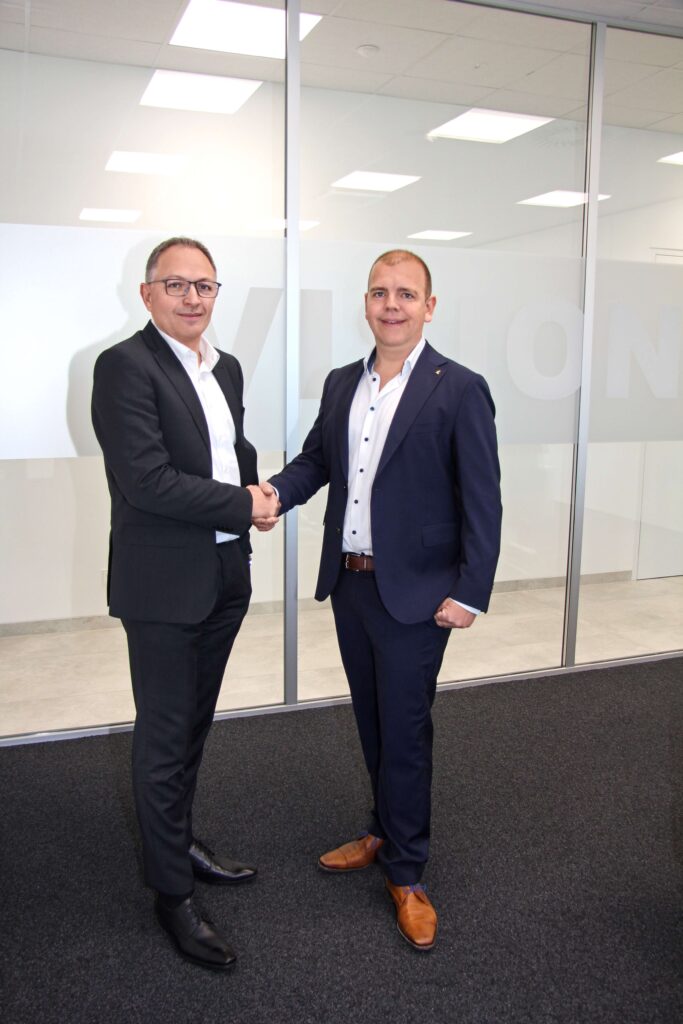
L-R: Marco Altherr and Dennis Ziehl – Photo credit: Ziehl-Abegg/Rainer Grill

KÜNZELSAU, Baden-Württemberg, Germany, 7 March 2025: The Supervisory Board of Ziehl-Abegg has appointed Marco Altherr as the company’s new Chief Financial Officer (CFO). Making the announcement through a Press Release, Ziehl-Abegg said Altherr is an experienced financial expert with a long-standing career in leading industrial enterprises. He will assume his position in the month of May, the company added.

“With Marco Altherr, we are gaining a highly qualified financial expert who will strategically support our company during a crucial growth phase,” said Dennis Ziehl, Chairman, Supervisory Board, Ziehl-Abegg. “His experience in international industrial companies will be of great value to us.”

Born in 1974, Altherr brings extensive expertise in financial management, the company said. Following a banking apprenticeship and a degree in business administration, he held senior financial positions at renowned companies, the company said. Since 2011, he has been part of the Freudenberg Group, where he most recently served as CFO, Freudenberg Performance Materials, overseeing all financial matters, the company said. Previous positions at Manroland and Heidelberger Druckmaschinen further complement his professional profile, the company added.

Ziehl-Abegg said it is experiencing a phase of strong expansion, with investments in new production facilities, including a major project in the United States. “We are consciously embracing the challenges of the future and focusing on sustainable growth,” Ziehl said. “For this, we need experienced leaders who can implement long-term strategies with financial foresight.”

According to Ziehl-Abegg, Altherr will join the executive team alongside Joachim Ley, CEO, and Wolfgang Mayer, CTO. In addition to the traditional CFO responsibilities, the company said, he will oversee IT and human resources.

Premium Story

CAREL Deutschland appoints Björn Donners as MD

He succeeds Frank Lauer to the position, company says

GELNHAUSEN, Germany, 3 March 2025: CAREL Deutschland GmbH, a subsidiary of CAERL Group, said it has appointed Björn Donners as the Managing Director as of January 1. Making the announcement through a Press Release, the company said Donners succeeds Frank Lauer, one of the first employees of the subsidiary, which was founded in 1996.

CAREL Deutschland said Donners, with over 12 years of experience in the company, has played a significant role in the success of the group’s German subsidy as HVAC Sales Manager. His expertise and dedication will continue to drive the company’s development with competence and determination, CAERL Deutschland said.

Lauer, the company said, will remain with it, contributing his extensive experience and in-depth industry knowledge. The company said Lauer will support the optimisation of commercial functions and actively participate in the transition process to ensure the long-term continuity and sustainability of its strategy. His focus will be on enhancing existing structures while also introducing new initiatives for the future of CAREL Deutschland, the company added.

Lauer said: “It has been a great pleasure and an honour to work with our customers, partners and colleagues. The trust-based and successful collaboration of recent years has been of immense personal importance to me. I would like to thank everyone for their trust and commitment. The long-standing partnerships with our customers remain a key priority for both myself and the entire team, and I am confident that under Björn Donners’ new leadership, these relationships will be further strengthened and successfully developed.”

Premium Story

Transforming Saudi Arabia’s design landscape

The Kingdom is not only reshaping its physical landscape but also spearheading a profound evolution in its national identity, says Tim Martin of Gensler Middle East…

As The Kingdom of Saudi Arabia embarks on one of the most ambitious transformations in its history, its built environment has become a defining element of its future. Guided by Vision 2030, the Kingdom is not only reshaping its physical landscape but also spearheading a profound evolution in its national identity – one that celebrates its cultural heritage while embracing innovation and modernity.

This transformation is reshaping cities, communities and the very fabric of Saudi society, aiming to balance economic growth with a sustainable, inclusive future. Saudi Arabia is setting the standard for integrating global design trends with local context. The Kingdom’s transformation is not only redefining its urban landscape but also creating a dynamic model for cities of the future – urban environments that foster connectivity, sustainability and social interaction.

The rise of mixed-use lifestyle districts

At the heart of Saudi Arabia’s transformation lies the emergence of mixed-use lifestyle districts, which have become the cornerstones of modern urban planning. These developments are designed to integrate residential, commercial, cultural and recreational spaces, creating vibrant, walkable neighbourhoods that promote community interaction. By combining hospitality, retail, sports and residential functions, they embody a global trend towards creating cities that are not just places to live but destinations that offer a rich, multifaceted experience.

Riyadh’s Diplomatic Quarter (DQ) serves as a shining example of this transformation. Originally a diplomat-focused area, it is now evolving into a vibrant, pedestrian-centric district that integrates upscale residential spaces with cultural and recreational opportunities. This development mirrors global urban innovations like Msheireb Downtown Doha and Ras Al Khaimah Central in the UAE – projects where Gensler’s influence is evident in shaping future-ready cities. These developments embrace the concept of the “20-minute city”, where residents can access essential services, workplaces and amenities within a short walk or bike ride, fostering a higher quality of life and reducing dependence on cars.

Such transformations go beyond aesthetics – they are powerful economic drivers. By encouraging social interaction and attracting global businesses, these districts play a pivotal role in positioning Saudi Arabia as a dynamic global hub. As Saudi Arabia continues to diversify its economy and build its global stature, these lifestyle districts will be at the forefront of shaping its urban identity.

Sustainability as a cornerstone of design

The urgency of climate change and Saudi Arabia’s ambitious sustainability goals under Vision 2030 are accelerating the development of innovative, eco-friendly solutions in design and construction. The Kingdom has committed to renewable energy, low-carbon strategies and resilient urban planning to mitigate environmental impact and secure long-term sustainability.

At Gensler, we have developed tools such as the Gensler Product Sustainability (GPS) Standards, which help us select low- or no-carbon materials for interiors and furnishings, significantly reducing environmental impact. Furthermore, advancements in construction technologies – such as zero-carbon cement and sustainable building systems – are aligned with Saudi Arabia’s goals of creating energy-efficient, resilient buildings.

The commitment to sustainability also extends to adaptive reuse, where existing structures are repurposed to reduce waste and conserve resources. In a rapidly evolving urban landscape, adaptive reuse strategies can transform ageing buildings into vital assets, ensuring that Saudi Arabia’s future cities remain sustainable, resilient, and capable of adapting to shifting environmental and social challenges. Such innovations are vital for addressing climate-related risks, including the extreme heat and storms that have become more common in the region.

Unlocking potential through adaptive reuse

Adaptive reuse is increasingly recognised as a powerful tool for revitalising underutilised properties and transforming them into valuable assets. In Saudi Arabia, where rapid urbanisation has resulted in an influx of new buildings, this practice is gaining traction. Ageing office buildings and outdated infrastructure are being repurposed into vibrant mixed-use spaces, healthcare facilities or residential developments.

Gensler’s Conversions+ platform plays a key role in identifying and unlocking the potential of these buildings. For instance, Riyadh’s financial district, once home to under-used and ageing properties, is now poised for transformation into vibrant, multi-functional spaces that meet the demands of modern urban living. These projects not only enhance sustainability by reducing the need for new construction but also contribute to the efficient use of resources and help cities preserve their architectural heritage.

Housing for a growing population

Saudi Arabia’s rapidly growing population is placing increased pressure on the housing sector. The Kingdom faces the challenge of meeting rising demand while ensuring that housing remains affordable, especially for young professionals, families and the increasing influx of foreign talent. Saudi Arabia’s focus on branded residential developments reflects a balanced approach to these demands, blending affordability with luxury to attract international investors and meet local needs.

Designing housing that appeals to both local and global residents is a key element of the Kingdom’s strategy to become a prime destination for investment. These developments are designed not only for luxury but also to provide functionality and cultural relevance, ensuring that they resonate with the evolving needs of the population.

The evolving workplace

The workplace of the future is already taking shape in Saudi Arabia. In line with global trends, businesses are demanding modern office spaces that prioritise employee well-being, creativity and collaboration. The focus has shifted from merely providing a physical space to creating environments that foster innovation, productivity and employee engagement.

In Saudi Arabia, the demand for Class A office spaces is growing rapidly, particularly in mixed-use districts, where workplaces, residential areas and amenities are seamlessly integrated. These environments are not only more attractive to businesses but also reflect the Kingdom’s ambition to become a global business hub. By prioritising workspaces that enhance employee experience and ensure high levels of collaboration, Saudi Arabia is positioning itself at the forefront of modern business practices.

Heritage meets modernity

What sets Saudi Arabia’s design transformation apart is its ability to embrace cutting-edge modernity while remaining deeply rooted in its rich cultural heritage. From the intricate patterns and traditions of ancient architecture to the natural beauty of the Arabian landscapes, Saudi Arabia’s design philosophy is deeply connected to its past. However, rather than replicating the past, this transformation seeks to blend traditional elements with contemporary aesthetics, creating spaces that are forward-thinking as well as culturally resonant.

It is important to understand the significance of designing spaces that reflect the values and history of the Kingdom. The approach ought to be to honour this heritage while incorporating modern design principles that push the boundaries of what is possible, ensuring that each space that is created tells a unique story and contributes to a sustainable, inclusive future.

A blueprint for the future

Saudi Arabia’s bold vision for its built environment is shaping the future of urban design, not only within the Kingdom but also globally. By focusing on sustainability, adaptive reuse and community-centric development, Saudi Arabia is setting a new standard for urban planning in the Middle East and beyond.

This transformation is more than a vision for Saudi Arabia – it is a blueprint for the world, setting a new precedent for how cities can evolve to meet the challenges of the 21st century.

Premium Story

Optimising air tightness in air-handling units

Dalip Singh, Senior Technical Analyst at AHRI, elaborates on enhancing energy efficiency and Indoor Air Quality

Dalip Singh, Senior Technical Analyst at AHRI

One of the key performance factors for air-handling units (AHUs) is their air tightness. While it may seem like a minor aspect, the air tightness of an AHU significantly impacts energy efficiency, Indoor Air Quality (IAQ) and the overall performance of the HVAC system. In this article, we will explore the definition of air tightness, its role in AHU performance, its impact on energy efficiency and IAQ, and how to measure and ensure proper air tightness.

Air tightness in AHUs

Air tightness refers to the ability of an AHU to prevent air leakage through its casing. It measures how well the unit can retain the air it is handling without unintended loss or infiltration. In an ideal

scenario, an AHU should only allow air to enter or exit through the intended openings, such as supply and return ducts, and not through gaps or seams in the unit’s casing.

The air tightness of an AHU is quantified by the amount of air leakage per unit surface area under a specific pressure differential. This is usually expressed in terms of litres per second per square metre (l/s/m²) at a given pressure. While 1,000 Pascals (Pa) is a recommended value for testing comfort application AHUs, special applications, such as hospitals or pharma/drug manufacturing require units to be tested at higher pressures, such as 2,000 or 2,500 Pa.

The role of air tightness in AHU performance

Air tightness plays a fundamental role in the overall performance of an AHU. A well-sealed AHU ensures that the air flows as intended, without any loss or contamination. Some key roles that air tightness plays in AHU performance are:

i) Maintaining airflow balance: Air tightness helps maintain the balance between supply and return airflows in the HVAC system. If an AHU is not airtight, it can disrupt this balance, causing pressure imbalances, which can affect occupant comfort.

ii) Preventing air leakage: Air leakage can lead to the mixing of outdoor and indoor air in unintended ways. This can compromise the temperature and humidity levels maintained by the HVAC system.

iii) Reducing contaminant infiltration: An airtight AHU prevents unfiltered air from entering the system. This is crucial for maintaining good IAQ by ensuring that all air passes through the necessary filters before entering the building.

iv) Improving system longevity: By preventing air leakage, an airtight AHU reduces the wear and tear on system components, such as fans and filters, which can extend the lifespan of the equipment.

1. Impact of air tightness on energy efficiency

Air tightness has a direct impact on the energy efficiency of HVAC systems. Here’s how:

i) Reducing Energy Loss: When air leaks from an AHU, the system needs to work harder to maintain the desired indoor conditions. The fans must run longer and at higher speeds to compensate for the lost air, leading to increased energy consumption. Furthermore, research indicates that for every one per cent increase in air leakage, there is a corresponding one per cent increase in energy consumption. This is because the system must condition additional air to compensate for the leakage, leading to higher operational costs.

In addition, the U.S. National Renewable Energy Laboratory (NREL) notes that air leakage in AHUs causes fans, pumps and chillers to work harder, increasing energy consumption. Leaks can also result in heat loss, further elevating energy usage.

ii) Minimising heating and cooling load: Leakage of conditioned air results in an increased heating or cooling load. For example, if warm air escapes in winter or cool air escapes in summer, the HVAC system must operate longer to maintain indoor temperatures. For instance, reducing cabinet air leakage from five per cent to 1.5 percent of system airflow can result in an overall reduction in energy use for space conditioning by about five per cent, and a similar reduction in peak heating and cooling loads. Ensuring air tightness minimises this load, reducing energy usage and utility bills.

Additionally, a study by the Florida Solar Energy Center measured air handler leakage in 69 Florida houses. The findings showed that air leakage from air handler/furnace cabinets averaged 70 cubic feet per minute (cfm) at estimated operating pressure, representing 24% – 76% of total system air leakage.

iii) Optimising fan performance: An airtight AHU ensures that fans operate at their intended capacity, enhancing overall system efficiency. Air leakage can cause pressure drops, forcing fans to work harder to maintain desired airflow, which leads to increased energy consumption. Therefore, maintaining AHU air tightness is crucial for optimising fan performance and reducing energy usage.

iv) Lowering carbon emissions: By reducing energy consumption, airtight AHUs contribute to lower carbon emissions, making the building more environmentally friendly. This is particularly important for buildings aiming to achieve green certifications.

2. Impact of air tightness on IAQ

Air tightness is critical for maintaining good IAQ. Here’s how it influences IAQ:

i) Preventing contaminant ingress: Air leakage can allow unfiltered outdoor air to enter the HVAC system, by passing the filtration process. This can introduce pollutants such as dust, pollen and microbial contaminants into the indoor environment, affecting occupant health. Poorly sealed AHUs can lead to increased pollutant ingress, compromising air quality in sensitive environments.

ii) Ensuring proper filtration: An airtight AHU ensures that air entering the unit upstream of filters passes through the filters, removing particulates and allergens. This helps maintain a healthier indoor environment. Effective filtration combined with airtight AHUs can reduce airborne particles, significantly improving IAQ.

iii) Controlling humidity levels: Air leakage can cause unwanted humidity fluctuations in the building. For instance, in humid climates, air leaks can introduce moisture into the AHU, leading to condensation and potential mould growth. Consistent humidity control in airtight AHUs reduces the risk of microbial growth, creating safer environments for occupants.

iv) Reducing odours and fumes: Leaks can allow odours, fumes and other undesirable gases to enter the HVAC system. This can be particularly problematic in buildings with specific air quality requirements, such as hospitals or laboratories. Airtight AHUs in hospitals significantly reduce the infiltration of external odours and pollutants, enhancing patient recovery environments.

3. How to measure air tightness in AHUs

Measuring the air tightness of an AHU is essential to ensure optimal performance. The measurement process typically involves the following steps:

i) Preparation: The AHU is prepared by sealing all intended openings, such as duct connections, to ensure that the only potential points of air leakage are through the casing.

ii) Pressurisation: A pressure differential is created across the AHU casing, usually using a fan or blower to pressurise the unit to a specific level, such as 1,000 Pa or higher, depending on the application type.

iii) Leakage measurement: The amount of air required to maintain the pressure differential is measured. This value represents the air leakage rate.

iv) Calculating air leakage rate: The leakage rate is calculated by dividing the measured air leakage by the surface area of the AHU casing. The result is expressed in litres per second per square metre (l/s/m²).

4. How tight is good air-tight AHU?

A good air-tight AHU typically achieves a leakage rate of less than 1.0 l/s/m² at 1,000 Pa, according to AHRI Standard 1350. For higher-performance units, the leakage rate can be even lower, with some units achieving rates as low as 0.12 l/s/m² at 1,000 Pa. Slightly higher leakage rates are allowed for greater test pressures such as for 2500 Pa, it is 0.22 l/s/m².

The table, below, summarises the CL1 rating (highest class) for various test pressures as per AHRI 1350 standard.

5. Calculation of air leakage rate for any test pressure value

To calculate the allowed leakage rate for different classes at any test pressure values, the formula used is:

Where:

CL = Casing Air Leakage Rate, L/s/10m2

CLm = Measured leakage, L/s/10 m2at Pm

Pm = Absolute value of test differential pressure, Pa

Pr = Reference pressure, 250 Pa

The rating class is determined from the AHRI 1350 rating chart, shown here.

6. Compliance verification

AHRI 1350 Standard The measured air leakage rate is compared against standard AHRI 1350. The standards provide acceptable limits for air leakage rates based on the application type and size of the AHU.

The AHRI 1350 Standard is a globally recognised test standard for mechanical performance testing of AHUs. The standard focuses on the performance criteria listed below:

a. Casing air leakage

b. Casing strength

c. Thermal transmittance

d. Thermal bridging

e. Filter bypass leakage (being added currently)

The standard specifies allowable leakage rates for AHUs based on their design and application categories at varying pressure values starting from 1,000 Pa to 2,500 Pa. The standard ensures that

AHUs meet stringent air leakage requirements to maintain system efficiency and performance. The tests are conducted under standardised conditions to ensure consistent and accurate results.

7. Conclusion

Air tightness is a critical factor in the performance, energy efficiency and IAQ-enhancing capability of AHUs. By minimising air leakage, building operators can reduce energy consumption, improve occupant comfort and maintain a healthier indoor environment. Measuring and ensuring proper air tightness for AHUs per AHRI standard 1350 is recommended.

Premium Story

Sustainable Solutions, Arab Network for Creativity and Innovation join forces

Come together with the objective of championing sustainability in the built environment

DUBAI, UAE, 25 February 2025: In a significant move towards fostering sustainable practices across the Arab world, Sustainable Solutions signed a Memorandum of Understanding (MOU) with the Arab Network for Creativity and Innovation (ANCI). The strategic partnership, formalised by His Highness Sheikh Faisal Al-Qasimi, President, ANCI, and Dr Iyad Al-Attar, Technical Advisor, Sustainable Solutions, marks a crucial step towards integrating sustainability into the core of air quality, urban planning, city design and the built environment, the two organisations said.

Speaking on the occasion, Dr Al-Attar emphaised that the collaboration comes at a time when the urgency for sustainable practices is more pronounced than ever. Rapid urbanisation, coupled with the growing impacts of climate change, necessitates innovative solutions to mitigate environmental damage and enhance the quality of life in our cities. He stressed that by combining expertise and resources, Sustainable Solutions and ANCI aim to drive this much-needed transformation and ascend the heights of sustainability.

Salem Al-Ajmi, CEO, Sustainable Solutions, said the MOU between Sustainable Solutions and ANCI represents a significant step toward achieving a more sustainable future for the Arab world. He emphasised that by collaborating with ANCI, the two organisations can showcase their commitment to driving positive change and creating a better world for future generations. Dr Al-Attar added: “This partnership demonstrates the power of collaboration and innovation in addressing the complex challenges of sustainability and serves as an inspiration for others to follow.”

According to the two organisations, the partnership is poised to significantly impact the sustainability landscape in the Arab world. The two organisations said that by leveraging the expertise of Sustainable Solutions in providing cutting-edge sustainable technologies and ANCI’s influence in promoting innovation and creativity, the MoU is expected to:

• Accelerate the adoption of sustainable practices: The collaboration will provide a strong impetus for businesses, governments and individuals to embrace sustainable solutions in their respective domains

• Enhance the quality of life: The MoU will contribute to creating healthier, more livable, and resilient cities by promoting sustainable urban planning, improving IAQ and integrating sustainability in the built environment

• Drive economic growth: The partnership will stimulate innovation and investment in sustainable technologies and solutions, creating new economic opportunities and promoting sustainable development

• Strengthen regional collaboration: The MoU will foster collaboration among stakeholders in the Arab world, facilitating the sharing of knowledge and best practices to address common sustainability challenges

According to the two organisations, the key focus areas of the MoU include:

• Promoting sustainable urban planning and city design: The partnership will focus on developing and implementing sustainable urban planning strategies that prioritise green spaces, energy efficiency, waste management and resource conservation. This includes promoting the use of renewable energy sources, implementing smart city technologies and fostering sustainable transportation systems.

• Enhancing Indoor Air Quality (IAQ): Recognising the critical role of IAQ in human health and wellbeing, the MoU emphasises the adoption of advanced technologies and solutions to improve air quality in buildings. This encompasses promoting the use of high-efficiency air filtration systems, implementing green building materials, and advocating for proper ventilation and air quality monitoring.

• Integrating sustainability in the built environment: The collaboration aims to promote sustainable building practices throughout the lifecycle of a building, from design and construction to operation and maintenance. This includes advocating for the use of sustainable materials, implementing energy-efficient building systems and promoting green building certifications.

• Fostering innovation and knowledge-sharing: The MoU seeks to create a platform for sharing knowledge, best practices and innovative solutions in the field of sustainability. This includes organising workshops, conferences and training programmes to raise awareness and build capacity among professionals and the wider community.

This collaboration between Sustainable Solutions and ANCI, the two organisations said, is not merely a symbolic gesture; it represents a concrete commitment to addressing the pressing sustainability challenges facing the Arab world. The MoU, they added, has the potential to be a catalyst for transformative change, influencing various aspects of the built environment and urban development.

Premium Story

Copeland expands variable-speed integrated solution portfolio

SUZHOU, China, 18 February 2025: Copeland said it has expanded its variable-speed technology platform, integrating compressors, drives and controllers for heating, cooling and refrigeration systems. Making the announcement through a Press Release, Copeland said the integrated solution drives enhanced efficiency, precise control and sustainability across a wide range of heating and cooling applications – including […]

SUZHOU, China, 18 February 2025: Copeland said it has expanded its variable-speed technology platform, integrating compressors, drives and controllers for heating, cooling and refrigeration systems. Making the announcement through a Press Release, Copeland said the integrated solution drives enhanced efficiency, precise control and sustainability across a wide range of heating and cooling applications – including energy storage, data centres, transportation, convenience stores and supermarkets – playing a key role in advancing the global energy transition. According to the International Energy Agency, as of 2024, heating in buildings is responsible for four gigatonnes (Gt) of CO2 emissions. annually, representing approximately 10% of total global emissions. In the data centre sector, global demand is projected to grow 2.5 times its current level by 2030, with consistent growth across all regions.

Copeland said its variable-speed integrated solution empowers customers to reduce system design costs, accelerate time to market and achieve operational excellence. By delivering cost savings and promoting environmental stewardship, the solution positions businesses to meet evolving global sustainability demands, the company added.

Specifically designed for data centres, chillers, heat pumps and energy storage applications, the 130cc variable-speed solution can achieve up to 30% energy savings, the company said. It meets stringent regulatory standards while advancing sustainability initiatives, ensuring customers remain future-ready in an increasingly eco-conscious world, the company added.

“Operational efficiency, sustainability, and precise control are critical in meeting the global climate challenges of today and tomorrow,” said Michael Toh, President of Asia-Pacific region for Copeland.

“At Copeland, we are committed to innovation, providing our customers with comprehensive solutions that accelerate time to market and reduce system design costs while providing sustainable value to our customers. Our variable-speed integrated solutions enable advanced energy efficiency with the flexibility to support multiple low-GWP refrigerants to support sustainability across a wide range of applications.”

Copeland said its variable-speed integrated solution delivers outstanding performance across a range of sectors, from green buildings and data centres to transportation applications. In data centres, Copeland said, its drive technology ensures a high-power factor and low iTHD, enabling precise temperature and humidity control essential for uninterrupted hyperscaler operations. Its compact design is perfectly suited for transportation applications, such as electric buses and trains, where space and efficiency are critical.

Additionally, Copeland said, its solutions accelerate the shift from fossil fuels to air-source heat pumps, delivering exceptional efficiency even in low-ambient conditions through enhanced vapour injection technology. By incorporating low-GWP refrigerants like R-454B / R-290, Copeland said, it is able to underscore its commitment to sustainability and help its customers to minimise environmental impact.

Premium Story

Frascold receives ISO certification

Company says the certification has led to numerous benefits, including greater internal awareness and a more positive perception by customers

MILAN, Italy, 20 February 2025: Compressor manufacturer, Frascold said it has obtained UNI EN ISO 14001:2015 certification. Making the announcement through a Press Release, Frascold said the certification is an important milestone representing the culmination of a broader programme.

Giuseppe Galli, CEO, Frascold said: “Our dedication to environmental sustainability is a cornerstone of our business strategy. At Frascold, we strongly believe that innovation and sustainability have to coexist harmoniously, charting a clear path towards a better future for us and for the generations to come.”

Marco Perri, R&D, Environmental System Manager, Frascold said: “The path towards UNI EN ISO 14001:2015 certification has led to numerous benefits, including greater internal awareness and a more positive perception by customers or, in particular, by anyone who sees this certification as a fundamental prerequisite to be included among the suppliers classified as sustainable. Another project implemented involved a water distiller, installed in 2023, to recover washing water resources, allowing the company to save about 300 cubic metres per year. In addition, a dedicated team was formed to improve air hygiene and to monitor emissions into the atmosphere. Thanks to targeted maintenance and cleaning, Frascold has managed to keep pollutant levels 10% lower than the regulatory threshold. Finally, the CO2 footprint associated with the different product families throughout the entire life cycle has been calculated, with the aim of offering customers valuable information to help them understand and assess their own environmental impact. In conclusion, all the initiatives undertaken by Frascold reflect its commitment to encouraging more sustainable and responsible choices throughout the supply chain.”

Frascold said it is committed to a more sustainable and more responsible future through an effective combination of technological innovation, environmental strategies and advanced management practices. According to Frascold, the initiatives described demonstrate how the company manages to combine the drive for operational efficiency with respect for the environment, adopting solutions that anticipate market challenges and strengthen its position among industry leaders.