CCME.NEWS, covering the regional and global HVACR industry with an unwavering commitment to providing in-depth news and analyses on policy, business and technology
The company focused on regional sustainability goals and the evolving role of technology in advancing climate comfort
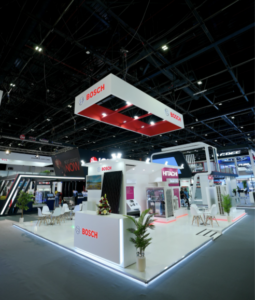
DUBAI, UAE, 11 December 2025: Bosch Home Comfort Group said it concluded a successful participation at HVACR World 2025, co-located with The Big 5 Global at the Dubai World Trade Centre. Making the announcement through a Press Release, the company said it presented its latest high-efficiency HVACR technologies and said its participation reinforced its position as a champion of climate comfort and its commitment to efficiency, decarbonisation and digital innovation across the Middle East.
Bosch Home Comfort Group said the event provided a platform for showcasing multi-brand climate solutions from Bosch Home Comfort, Hitachi and large-scale HVACR systems. The company said it focused on practical pathways for reducing cooling-sector emissions and achieving Net Zero 2050 objectives in the Middle East and that its specialists led technical discussions on system optimisation and the integration of intelligent controls in HVAC operations.
Bosch Home Comfort Group said that over the four-day event it demonstrated practical applications of hybrid and high-efficiency HVACR systems tailored for residential, commercial and industrial buildings. The company said visitors experienced live demonstrations of AI-enabled controls, smart integration platforms and low-GWP refrigerant solutions engineered to reduce energy consumption and emissions. Bosch Home Comfort Group said it continues to capitalise on every opportunity and said its momentum is advancing the company to what it described as the Champions League, solidifying its position among the industry’s top performers.
Bosch Home Comfort Group said it highlighted the breadth of its expanded global portfolio and emphasised the strength and complementarity of its leading brands. The company said Bosch Home Comfort showcased high-efficiency heat pumps, hybrid systems and intelligent energy-management solutions that enable smart and sustainable building operations. Bosch Home Comfort Group said Hitachi Cooling & Heating demonstrated air-conditioning and VRF systems engineered for precision, performance and scalability. The company added that YORK® presented large-scale HVACR solutions for industrial and infrastructure applications which the company said deliver long-term reliability and operational efficiency. Bosch Home Comfort Group said this integrated multi-brand offering underscores its ability to provide scalable, flexible and future-ready climate solutions that support energy efficiency, decarbonisation and digital transformation across the built environment.
“HVACR World provided an excellent opportunity to connect with industry partners, share our technical expertise, and demonstrate how innovation can accelerate the transition toward sustainable comfort,” said Ahmed Aqel, General Manager, Bosch Home Comfort Group Middle East & Africa. Bosch Home Comfort Group said it remains committed to collaborating with governments and industry stakeholders to build a low-carbon, energy-efficient future for the region.
The company said its participation reaffirmed its support for regional decarbonisation strategies through collaboration with developers, utilities and policymakers committed to advancing climate-resilient infrastructure across the Middle East and Africa.
Bosch Home Comfort Group said that by combining engineering excellence with digital intelligence it continues to develop climate solutions that balance performance, sustainability and user comfort. Bosch Home Comfort Group added that through its integrated approach it contributes to the global transition toward smart, connected and low-carbon buildings, supporting what it described as a more sustainable future for generations to come.
Bosch Home Comfort Group Exhibit
Premium Story
Epta and Silpo inaugurate two themed supermarkets in Ukraine
Company says Silpo’s strategy focuses on experiential store design and product quality to enhance customer experience
MILAN, Italy, 10 December 2025: Epta, a company in the commercial refrigeration sector, said it has supplied the refrigerated departments for two newly inaugurated supermarkets operated by the Silpo brand, part of the Fozzy Group retail organisation which counts more than 250 stores across Ukraine.
Making the announcement through a press release, Epta said Silpo is known for developing stores with distinct thematic design concepts for each location. Epta said the new supermarkets in Lviv and Vyshneve reflect this approach, with Epta stating that the Lviv store is inspired by the history of cyberculture and that the Vyshneve branch takes its theme from the world of financial markets.
According to Epta, the 1,500 m² layouts incorporate visual design intended to create an immersive experience built around tracing technological evolution. Epta said that in the first store this ranges from the earliest computers to the competitive world of online gaming, while in the second store it spans the paper-based era of Wall Street to the contemporary realm of cryptocurrencies. The company added that the interior design is developed using decorative schemes and themed scenographic elements, such as checkout counters resembling microchips, departments inspired by servers or areas evoking a modern stock exchange, combined with Costan’s refrigeration solutions.
Epta said that, supported by its preservation technologies, Silpo’s strategy focuses on experiential store design and product quality with the aim of enhancing the customer experience and fostering loyalty. Epta added that the functional versatility and aesthetic layout of its solutions ensures alignment with each store’s display concept, with Epta stating that this transforms them into an authentic design feature.
For both locations, Epta said it designed configured combinations of self-service refrigerated units and traditional serve-over counters to create an orderly flow that guides customers through the departments while enhancing product presentation. The company added that the interplay between vertical and horizontal models ensures a clear and coherent display of the assortment in line with the established sales format.
Epta said it outfitted all refrigerated departments in both stores and selected specific models for the Fresh Produce section, which Epta described as a key differentiator in customer choice of store, with the units customised in materials and colours.
Epta said the selection includes Costan’s GranFit range, noting that the GranValdaj semi-vertical cabinets operate at positive temperatures and are presented by Epta as ideal for enhancing the visibility and profitability of high-margin pre-packaged products.
Epta said the selection also includes Costan’s OutFit line of traditional counters named Velvet, which Epta said feature high load capacity, an upgraded display surface and optimal ergonomics. Epta added that these units are designed for the preservation of meat cuts, cold cuts and dairy products, and said the lightweight and transparent structure showcases the local gastronomic offer.
Additionally, the company added that the Vyshneve store includes the Fresh Produce area and the OutFit range self-service refrigerated unit, Silk, which Epta said offers a balance between display volume and floor footprint along with a complementary panoramic island dedicated to promotional sales.
Taras Nikolaienko, Director, Centralised Procurement, Silpo, said: “The installation of transcritical CO₂ systems, with ducted remote units, has also enabled significant energy savings, crucial in the Ukrainian context, which is marked by recurring energy crises. This is particularly important considering that the Lviv store serves as a true resilience point for the community in the event of power outages, offering free Wi-Fi and charging stations, in line with the brand’s Customer Intimacy strategies.”
DUBAI, UAE, 9 December 2025: Emirates Central Cooling Systems Corporation (Empower) said it will serve as the diamond sponsor of the International District Energy Association (IDEA) conferences and exhibitions in 2026. Making the announcement through a Press Release, Empower said the sponsorship covers IDEA Campus Energy 2026, IDEA 2026 and other events under the association’s […]
DUBAI, UAE, 9 December 2025: Emirates Central Cooling Systems Corporation (Empower) said it will serve as the diamond sponsor of the International District Energy Association (IDEA) conferences and exhibitions in 2026. Making the announcement through a Press Release, Empower said the sponsorship covers IDEA Campus Energy 2026, IDEA 2026 and other events under the association’s Annual Sustaining Sponsor programme.
Empower said its continued sponsorship for the third consecutive year reflects its ongoing commitment in the global District Cooling sector and its role in facilitating communication and knowledge exchange among key players in the energy and cooling sectors.
The company said IDEA’s events bring together utility sector leaders, energy experts, decision-makers and technology innovators from around the world to explore the latest solutions in District Cooling, heating and sustainable energy infrastructure. Empower added that the events serve as a global forum for sharing best practices that support the advancement of the District Energy sector and strengthen its future worldwide.
According to Empower, IDEA events also provide opportunities for various entities and organisations to showcase their practices and innovations, driving resilience and sustainability in District Cooling systems in cities, university campuses and communities. Empower said that its participation reinforces UAE’s leadership in sustainable urban development and underscores its commitment to global knowledge sharing for the advancement of the sector.
Ahmad Bin Shafar, CEO, Empower, said: “Empower’s Diamond Sponsorship of the International District Energy Association (IDEA) 2026 events is an extension of our firm commitment to supporting the global development of the District Cooling sector and consolidating the UAE’s pioneering position in energy efficiency initiatives. At Empower, we believe that the future of District Cooling depends on integrating innovation and collaboration. Therefore, we are keen to actively participate in international platforms that bring together experts and decision-makers to exchange experiences and formulate solutions that contribute to building more resilient and sustainable cooling systems. Our participation for the third year in a row reaffirms Empower’s pivotal role in driving the transformation toward more sustainable cities and strengthening our ability to share our advanced expertise and enrich the global dialogue on the future of District Cooling.”
Rob Thornton, President, CEO, IDEA, said: “Empower’s continued sponsorship of IDEA’s events demonstrates its strong leadership and longstanding commitment to supporting the development of the district energy sector on a global scale. We highly appreciate their contribution and look forward to productive discussions at the upcoming 2026 events and to building on the advancements achieved in previous years to strengthen the sector’s future further”
Empower said its sponsorship of IDEA’s events serves as a strategic platform for the company to showcase its recent achievements in the District Cooling sector, including its experience in developing urban cooling infrastructure and implementing global technologies in energy efficiency and sustainability. The company added that these developments support its position in the global market and contribute to wider discussions on the future direction of the District Cooling industry.
Premium Story
BAC immersion cooling approved as part of Intel Data Center Certified Solution
Company says the COBALT immersion cooling system integrates indoor tanks with outdoor heat rejection to help data centres enhance performance
ANTWERP, Belgium, 2 December 2025: BAC, a manufacturer of evaporative cooling and heat transfer products, announced its immersion cooling tank has been approved as part of the Intel Data Center Certified Solution for Immersion Cooling for fourth- and fifth-generation Intel Xeon Scalable processors. Making the announcement through a Press Release, the company said the approval marks a significant milestone in industry efforts to validate next-generation immersion cooling solutions that meet the efficiency and sustainability demands of modern data centers.
According to BAC, the Intel Data Center Certified Solution for Immersion Cooling is the result of rigorous testing and collaboration between the company and IT hardware manufacturers, highlighting the strength of cross-industry cooperation to accelerate the development of high-performance cooling systems. The certification, BAC added, allows Intel to offer a Xeon Processor Single-Phase Immersion Warranty Rider, intended to provide customers with greater confidence in the durability, efficiency and compatibility of immersion-cooled IT infrastructure.
BAC said as part of the program, testing was conducted at Advanced Data Center Development Lab in Hillsboro, Oregon, United States. BAC said its immersion cooling tanks with patented CorTex technology played a key role in delivering reliable system performance. Jan Tysebeert, General Manager, Data Center, BAC, said: “Immersion cooling represents a critical advancement in data center thermal management and this approval is a powerful validation of that progress.”
BAC said the approval builds on its ongoing work in the design and development of high-efficiency data center cooling technologies. The company added that its COBALT immersion cooling system combines indoor immersion tanks with outdoor heat rejection, enabling data centers to achieve some of the industry’s lowest Power Usage Effectiveness (PUE) values while enhancing uptime and sustainability.
Tysebaert added: “Through rigorous joint testing and validation by Intel, we’ve demonstrated that immersion cooling can safeguard and enhance IT hardware performance while delivering more energy efficiency than ever before. Programs like this are essential to accelerating industry adoption by ensuring every component — tank, fluid, processor and memory — meets the same high standards of reliability and performance.”
BAC said it continues to collaborate with global technology partners to advance immersion cooling standards, promote sustainable computing and help customers deploy scalable, energy-efficient data center solutions.
Premium Story
AHRI outlines recommendations for proposed EPCA reform
ARLINGTON, Virginia, United States, December 2 2025: The Air-Conditioning, Heating, and Refrigeration Institute (AHRI) said it has offered several recommendations to the Chairman and Ranking Member of the House Energy and Commerce Committee in advance of the Committee’s consideration of a bill to reform the Energy Policy and Conservation Act (EPCA). Making the announcement through […]
ARLINGTON, Virginia, United States, December 2 2025: The Air-Conditioning, Heating, and Refrigeration Institute (AHRI) said it has offered several recommendations to the Chairman and Ranking Member of the House Energy and Commerce Committee in advance of the Committee’s consideration of a bill to reform the Energy Policy and Conservation Act (EPCA). Making the announcement through a Press Release, AHRI said EPCA underpins the nation’s appliance energy efficiency standards programme. The association said it applauds the effort to reform the 50-year-old statute which it noted has not been amended for nearly 20 years. AHRI said it recommends steps to ensure a more effective and transparent law that takes into account today’s technologies. The association added that its recommendations aim to maintain American manufacturing preeminence and support American job creation while enhancing national security through energy efficiency and grid resilience.
AHRI said it recommends strengthening federal pre-emption to ensure a unified appliance energy policy. The association said it is calling for a single national energy policy that ensures safe, reliable and affordable access to essential heating and cooling products while avoiding regulatory fragmentation. AHRI added that regulatory fragmentation could harm innovation and consumers.
The association said it recommends ensuring regulatory predictability and consumer affordability by maintaining anti-backsliding provisions and added that these provisions provide business certainty to manufacturers and customers. AHRI said they ensure that long-term capital investments are not undermined or stranded and that it supports setting a new minimum 10-year lookback period for evaluating standards. The association said it recommends prohibiting the Department of Energy (DOE) from regulating component parts separately to avoid double regulation and increased costs. AHRI said it recommends ensuring that DOE follows its own Process Rule.
AHRI said it also recommends developing realistic and transparent standards and said it supports enhancing the law’s current requirement that efficiency standards must be economically justified and technologically feasible. The association said the standards must be based on sound analysis that considers product characteristics and attributes important to consumers. AHRI said the standards must ensure that consumers can afford and realise the value of their investment in new innovative products.
The association said it recommends modernising compliance and labelling and added that compliance dates should be based on the date of manufacture to avoid stranded inventory.
AHRI said manufacturers should be empowered to use electronic labelling such as QR codes to modernise consumer information sharing and reduce complexity.
Stephen Yurek, President and CEO, AHRI, said: “Congress has a unique window of opportunity here to enact necessary changes to a successful, but outdated law. As manufacturers committed to innovation, efficiency, and affordability, we want to continue to partner with Congress and with the Department of Energy to ensure a robust, transparent, and affordable efficiency standards process.”
Premium Story
Eurovent announces dates for the 2027 Eurovent Summit
The association said the programme includes industry-expert sessions, panel discussions and networking opportunities
BRUSSELS, Belgium, 2 December 2025: Eurovent said the 2027 Eurovent Summit will take place from October 6 to 8, 2027. Making the announcement through a Press Release, the association said the flagship event will once again gather leaders, innovators and experts from across the HVACR sector.
Eurovent said this programme is the largest gathering of the HVACR sector in Europe, bringing together industry representatives, policymakers, engineers, manufacturers and other key stakeholders to exchange insights on the future of sustainable technologies.
Eurovent said participants can look forward to a programme including sessions by industry experts, working group meetings, panel discussions, and networking opportunities, hosted in one of Europe’s most vibrant and innovative cities.
Premium Story
SAMON announces appointment of Ryan Vanos as Sales Manager
The company said Vanos brings experience across multiple areas of the HVACR controls industry
VELLINGE, Sweden, 1 December 2025: SAMON, a manufacturer of refrigerant gas detection technology, said it has appointed Ryan Vanos as Sales Manager for North America. Making the announcement through a Press Release, SAMON said Vanos brings a 360-degree perspective on the HVACR controls industry, having built his career across R&D, project installation and service before successfully transitioning into sales and business development.
Federico Pasquini and Ryan Vanos
Federico Pasquini, Sales and Marketing Director, SAMON, said: “We are beyond excited to add Ryan to our team. His unique combination of technical and market knowledge will be an invaluable asset for SAMON and its network of customers and distributors in Canada and the United States. I am convinced that with his help, our North American business will kick into the next gear.”
The company said Vanos expressed equal enthusiasm about joining SAMON during a time of rapid growth and global expansion. He said: “I am really looking forward to joining the SAMON team and the amazing growth journey the company is on. Further expanding our footprint in North America, supported by SAMON’s 35 years of experience in refrigerant gas detection, is going to be exciting. I’m really looking forward to connecting with current and new clients.”
SAMON said the appointment reflects its continued expansion in international markets by combining technical excellence with localised support, guided by its “Simply Reliable” philosophy. The company said that Vanos’ industry experience and customer-first approach are set to play a key role in its continued success in the Canadian and United States markets.
Premium Story
Ramboll outlines climate-responsive design for Middle East buildings
Ramboll has outlined its climate-responsive design methodology for high-rise and complex buildings in the Middle East
DUBAI, UAE, 28 November 2025: Ramboll said its work in the Middle East centres on designing high-rise and complex buildings that respond to climate realities while supporting long-term urban resilience. Making the announcement through a Press Release, Ramboll said that as cities pursue low-carbon growth pathways, towers carry significant responsibility due to their energy intensity, material use and lifecycle impacts. The company said its approach integrates passive-first strategies, high-performance façades and reduced-carbon materials from the earliest stages of design.
Ramboll said its Design Excellence 2024-2025 yearbook outlines how the company combines structural optimisation, microclimate analysis and integrated building systems to reduce environmental impact while enhancing occupant wellbeing. The company said this methodology is especially relevant in the Gulf where extreme temperatures and dense urban conditions place additional pressure on buildings’ climate performance.
Ramboll said its wider regional work reinforces this climate-aligned approach. The company added that the Dubai Waste Management Centre, where it serves as Owner’s Engineer, processes 1.9 million tonnes of waste annually, generates 200 MW of electricity and will prevent an estimated 65 million tonnes of CO₂ over its lifespan. “Our role is to ensure this project sets new benchmarks for sustainability and efficiency in the region,” said Jan Teir, Senior Chief Project Manager, Ramboll.
Ramboll said its commitment is mirrored in the company’s ESG strategy and that this strategy is reinforced by its Global ESG Lead, Alan Kao, who stated, “ESG is no longer optional; it’s the foundation for future-proof businesses.”
Emerging toxicological studies have established a concerning link between exposure to SiNPs and adverse effects on the reproductive system in males and females, say Dr Nahed Hammadieh and Dr Iyad Al-Attar
Dr Iyad Al-AttarDr Nahed Hammadieh
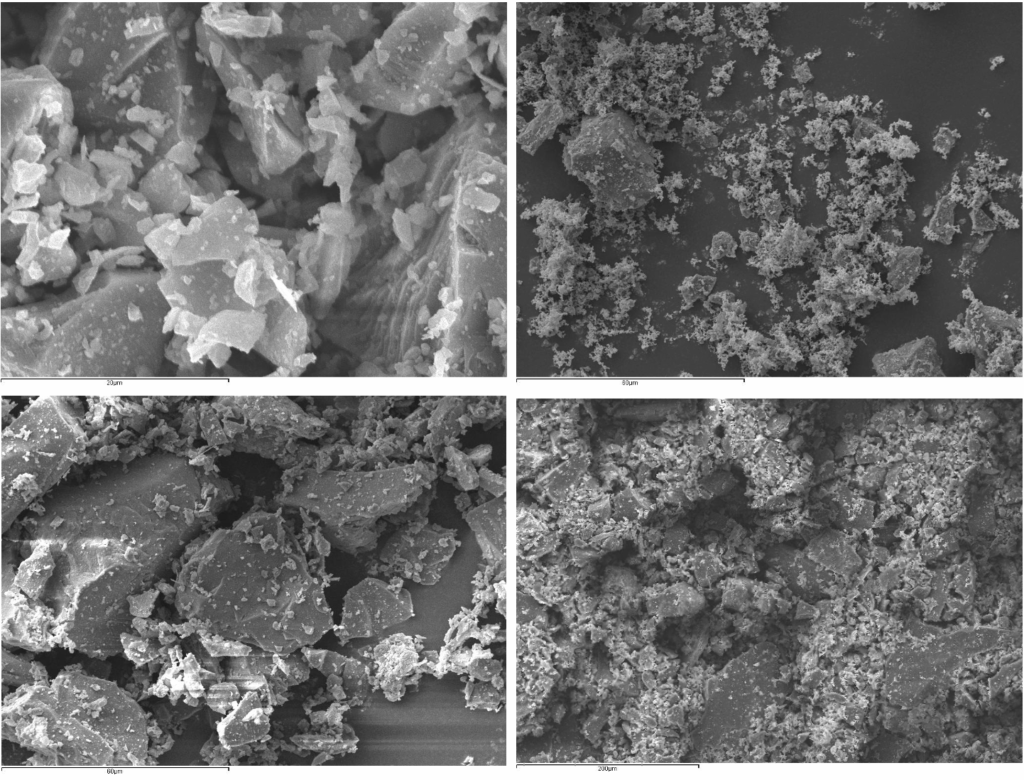
IN AN era defined by rapid urbanisation, technological advancements and increasing environmental pollution, the impact of ubiquitous nano-materials on human health has become a critical area of investigation. Silica nanoparticles (SiNPs), while extensively used in medicine, cosmetics, food and industry, represent a significant component of this exposure landscape; they are also a key inorganic ingredient in airborne particulate matter and sandstorms (Figure 1). Emerging toxicological studies have established a concerning link between exposure to SiNPs and adverse effects on the reproductive system in males and females. Ultimately, it is imperative to synthesise research findings from recent animal model studies to explore the relevant mechanisms through which SiNPs compromise fertility, including the induction of oxidative stress, mitochondrial damage and the activation of apoptotic pathways, which are further compounded by lifestyle factors such as a High-Fat Diet (HFD). Inhalation of respirable SiNPs, such as those encountered in sandstorms, can harm male and female fertility, suggesting a shared mechanism of systemic injury. The damage begins when the SiNPs bypass the lung’s protective barriers, enter the systemic circulation, and travel to distant reproductive organs – the testes and ovaries. Furthermore, SiNPs are a powerful inducer of Reactive Oxygen Species (ROS), leading to oxidative stress, which overwhelms the body’s defenses. This imbalance causes severe damage to vital cellular macro- molecules, including lipids and DNA, and decreases the effectiveness of the body’s enzymatic antioxidant defense system.
Figure 1: Scanning eletron microscopic images of various silica dust particles carried by sandstorms (images copyright of Dr Iyad Al-Attar)
Impact on male fertility[1,2,3,5]
The male reproductive system is particularly vulnerable to attack from external agents, making it a key focus of SiNPs toxicity. SiNPs can invade and cross the crucial biological “gatekeepers” – the protective walls around the testicles (Blood-Testis Barrier) and the tubes next to them (Blood-Epididymis Barrier). Once these barriers are breached, the SiNPs builds up inside, where they can begin to cause severe damage.
Exposure to SiNPs, particularly at the nano-scale, is strongly implicated in male reproductive toxicity, leading to a significant deterioration in semen quality and quantity. This toxic effect results from direct cellular and structural damage within the reproductive system. Specifically, the particles induce high levels of oxidative stress and Apoptosis (programmed cell death) in the testis, causing physical damage, such as severe atrophy and structural defects in the sperm-producing seminiferous tubules; deterioration of the interstitial tissue, which includes testosterone-producing Leydig cells; and destruction of the sperm-maturing tubes (Epididymis). The functional consequence is a profound impairment of spermatogenesis: Sperm count and motility decrease sharply, while the rate of sperm with abnormal morphology increases substantially. For instance, animal models have demonstrated a reduction in sperm concentration and mobility of over 50%, coupled with an increase in defects approaching 170%. This severe toxicological effect suggests that prolonged or high-dose SiNPs exposure may contribute to conditions like Oligospermia (low sperm count) and, in extreme cases, Azoospermia (the complete absence of sperm in the ejaculate). However, while the mechanism of damage is clear in laboratory settings, the precise prevalence and direct causal link between chronic occupational SiNPs exposure and Azoospermia in human populations remains an area that requires extensive clinical and epidemiological research.
Impact on female fertility[1,2,4]
In the ovaries, cellular damage results in dysfunction and a reduction in the number of ovarian follicles, crucial for reproduction. This impairment disrupts folliculogenesis and alters the critical balance and production of sex hormones like estrogen and progesterone. These structural and functional deficits are consistent with observations in the male reproductive system. Ultimately, the toxicity of SiNPs hinges on the damage generated by induced oxidative stress and inflammation, resulting in parallel reproductive harm across both sexes.
The impact of SiNPs on mitochondrial dysfunction[1,3]
This continuous oxidative damage to DNA and other cellular components ultimately triggers Apoptosis. Apoptotic cells are detected in the interstitial tissues, spermatogenic cells and epididymal epithelium, following SiNPs exposure. At the molecular level, this is linked to the activation of the proapoptotic signalling pathway, mediated by the tumor necrosis factor. Exposure leads to the upregulation of key proapoptotic factors, confirming that the administration of SiNPs actively promotes cell death in the reproductive organs. Concurrently, an inflammatory response is also induced, evidenced by the increased expression of pro-inflammatory cytokines, which are reciprocally linked with oxidative stress, further exacerbating the toxicity.
A critical secondary mechanism is damage to the mitochondrial structure and subsequent dysfunction of energy metabolism. Mitochondria are essential for spermatogenesis and sperm motility, as their energy currency, defined as Adenosine Triphosphate (ATP), fuels the structural integrity and movement of the sperm tail. Studies employing electron microscopy demonstrate that exposure to SiNPs causes profound damage to the ultrastructure of spermatogenic cells, including the rupture and disappearance of mitochondrial cristae. The physical destruction of mitochondria directly results in a sharp decrease in cellular ATP levels in testicular tissue. This energy deficit is hypothesised to be the main reason for the dramatic reduction in sperm motility and the increase in malformed sperm, as sperm tail movement requires an adequate energy supply.
Synergistic risk: Exacerbation by HFD
A modern lifestyle factor, the HFD, is shown to significantly exacerbate the reproductive toxicity induced by SiNPs exposure, demonstrating a synergistic adverse effect. While HFD alone can cause damage to sperm quality and testicular structure, its combination with SiNPs is far more detrimental.
In HFD-treated Wistar rats, the co-exposure to SiNPs further reduced sperm concentration, decreased motility rates and dramatically increased sperm abnormality rates compared to HFD alone. The combination severely interfered with the master genetic switches that are supposed to start the process of creating healthy sperm. By altering this genetic programming, the body cannot properly grow the precursor cells into mature, viable sperm.
Definitive call to action for policy and research[6-9]
The corpus of animal toxicological data confirms that nanoscale SiNPs exposure, particularly when particles are small (70<nm) and are accessed systemically (via inhalation), represents a serious reproductive hazard. The pathology involves specific molecular disruption of the germline, mediated by oxidative stress, mitochondrial energy collapse, and complex epigenetic modifications such as Crem hypermethylation and impaired histone-to-protamine exchange. Furthermore, this toxicity is dramatically exacerbated by common lifestyle factors such as a HFD.
Required research priorities[6-9]
To bridge the critical gap between established animal pathology and undefined human risk, a unified, comprehensive research effort is essential, focusing on the following imperatives:
Human Epidemiological Correlation: Urgent, large- scale, long-term clinical and epidemiological studies are required to define the direct causal relationship between chronic occupational and environmental nanoscale silica exposure and specific adverse human reproductive outcomes, including semen quality deterioration, Oligospermia, Azoospermia and documented adverse pregnancy progressions.
Exposure Variables Modelling: Detailed toxicokinetic research must be funded to determine the precise dose-response relationships for inhaled SiNPs. This research must correlate environmental and occupational concentrations – dusty workplaces or major sandstorms – with the actual internal reproductive organ dose required to trigger the specific molecular pathology (Crem hypermethylation, follicular atresia) observed in animal models.
Longitudinal Human Studies with Biomonitoring: It is essential to prioritise funding for large-scale, prospective longitudinal human cohort studies in high-exposure occupations. These studies must include quantitative measurements of specific exposure levels, correlating them with validated biomarkers (potential urinary silica) and rigorously assessing reproductive outcomes to move from association to establishing definitive causation.
Turning over every single stone for answers
This challenge requires a unified, uncompromising response from the global community. The promise of future generations hinges on our willingness to act today. We must issue a definitive call upon governments, the private sector and research institutions worldwide to mobilise a comprehensive, coordinated research effort. The knowledge we currently possess is merely the starting line; we must pursue a complete and actionable understanding of every possible cause, and every pathway of exposure and harm. It is imperative that we turn over every single stone – examining environmental, occupational and dietary interactions – to fully mitigate this serious reproductive threat. We must seek and fund the necessary toxicological, epidemiological and intervention studies required to define global safety standards and develop effective protective strategies for all citizens, including the implementation of antioxidant-based therapies and safer, engineered particle designs.
References:
1. Sun, F., Wang, X., Zhang, P., Chen, Z., Guo, Z. and Shang, X., 2022. Reproductive toxicity investigation of silica nanoparticles in male pubertal mice. Environmental Science and Pollution Research, 29(24), pp.36640-36654.
2. Xu, Y., Wang, N., Yu, Y., Li, Y., Li, Y.B., Yu, Y.B., Zhou, X.Q. and Sun, Z.W., 2014. Exposure to silica nanoparticles causes reversible damage of the spermatogenic process in mice. PloS one, 9(7), p.e101572.
3. Zhang, L., Wei, J., Duan, J., Guo, C., Zhang, J., Ren, L., Liu, J., Li, Y., Sun, Z. and Zhou, X., 2020. Silica nanoparticles exacerbate reproductive toxicity development in high- fat, diet-treated Wistar rats. Journal of hazardous materials, 384, p.121361.
4. Azouz, R.A., Korany, R.M. and Noshy, P.A., 2023. Silica nanoparticle-induced reproductive toxicity in male albino rats via testicular apoptosis and oxidative stress. Biological Trace Element Research, 201(4), pp.1816-1824.
5. Environmental Science and Pollution Research International. 2022 May; 29(24): 36640–36654.
6. Zheng, M., Chen, Z., Xie, J., Yang, Q., Mo, M., Liu, J. and Chen, L., 2024. The Genetic and Epigenetic Toxicity of Silica Nanoparticles: An Updated Review. International Journal of Nanomedicine, pp.13901-13923.
7. Pietroiusti, A., Vecchione, L., Malvindi, M.A., Aru, C., Massimiani, M., Camaioni, A., Magrini, A., Bernardini, R., Sabella, S., Pompa, P.P. and Campagnolo, L., 2018. Relevance to investigate different stages of pregnancy to highlight toxic effects of nanoparticles: the example of silica. Toxicology and Applied Pharmacology, 342, pp.60-68.
8. Poulsen, M.S., Mose, T., Maroun, L.L., Mathiesen, L., Knudsen, L.E. and Rytting, E., 2015. Kinetics of silica nanoparticles in the human placenta. Nanotoxicology, 9(sup1), pp.79-86.
9. Pinto, S.R., Helal-Neto, E., Paumgartten, F., Felzenswalb, I., Araujo-Lima, C.F., Martínez-Máñez, R. and Santos-Oliveira, R., 2018. Cytotoxicity, genotoxicity, transplacental transfer and tissue disposition in pregnant rats mediated by nanoparticles: the case of magnetic core mesoporous silica nanoparticles. Artificial cells, nanomedicine, and biotechnology, 46(sup2), pp.527-538.
Premium Story
ALEC Holdings hosts Innovation Day 2025 following landmark IPO
The company outlined how its innovation roadmap is being applied to test and scale construction technologies
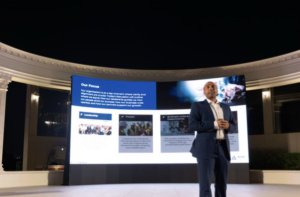
DUBAI, UAE, 28 November 2025: ALEC Holdings said it hosted ALEC Innovation Day 2025 as its first major event since its landmark IPO. Making the announcement through a Press Release, ALEC said the event was anchored in its vision of being the “Platform for Global Innovation Solutions”. The company added that the Innovation Day highlighted how ideas are tested on real projects, refined through fast feedback and scaled across the construction industry.
ALEC said that at the latest edition of its annual Innovation Day it demonstrated how the execution of its Innovation Roadmap has enabled the company to evolve into a platform for global innovation solutions. The company said it has positioned itself as a place where solutions shaping the future of construction are ideated, nurtured and scaled across the wider industry.
ALEC said the GCC region construction market is projected to reach US$2.7 trillion by 2033 and said the sector is under increasing pressure to build faster, safer and more sustainably. Imad Itani, Head of Innovation, ALEC, said: “The region is a fertile ground for innovation, but this cannot thrive in isolation. It needs an ecosystem which allows promising technologies to be applied to the most ambitious undertakings, investors to access vetted solutions, and innovators to secure fast-track funding. At ALEC, we have made a clear and concerted effort to become that ecosystem. Today we are the epicentre of construction innovation, identifying, implementing, and scaling technologies that can transform how the region builds.”
ALEC said its transformation is driven by a culture that encourages experimentation across the organization and added that it has cultivated champions across departments who test, refine and scale new ideas. The company said many of its business units now bring their own innovative products and services to market.
ALEC said its position as a platform for global innovation solutions was reinforced by the participation of 15 external partners at Innovation Day and that these partners have used the company as a launchpad by working with its specialists to mature solutions, apply them to real-world projects and develop viable commercial models. The company said examples included TENDERD, which it described as an AI-powered equipment management platform that secured a US$30 million Series A round, and SOLUT, whose workforce productivity analytics technology it said increased labour efficiency by around 30 percent across multiple pilot sites.
“The credibility afforded by ALEC’s validation has been transformative for us,” said Aleksander Belousov, Founder, SOLUT. “Since collaborating with ALEC, we have seen increased engagement from developers and contractors, as well as from customers in other industries,
who now have the confidence to adopt and support our solutions. It has significantly shortened our time to market and accelerated our ability to refine and scale our technology,” Belousov added.
ALEC said Innovation Day also highlighted its commitment to subcontractors, which it said play a growing role in shaping the future of the construction sector. “Subcontractors play a vital role in ALEC’s project delivery, which makes their involvement in our innovation journey essential,” Itani said. “This year marks the first time we have expanded our innovation initiatives to include select subcontractors, and we intend to broaden this across the entire supply chain in the future. By creating opportunities for shared learning and collaboration, we are building a collaboration framework that will enhance capabilities across the ecosystem and drive collective progress,” Itani added.
ALEC said it introduced a new set of Collaboration Awards during this edition of Innovation Day. The company said the awards recognise partners contributing to innovation across its ecosystem and that the awards cover four categories including Innovative Subcontractor of the Year, Technology Collaboration of the Year, Start-up Engagement of the Year and Client Collaboration of the Year.