

Why District Cooling is at the centre of urban resilience
Climate change stands as the defining challenge of our era, placing the world at a critical crossroads. In 2024, global temperatures hit an all-time high, about 1.55 degrees C above pre-industrial levels, driven by over a century of fossil fuel consumption and unsustainable use of energy and land.
The consequences are stark. Extreme weather events are increasing in frequency and severity, impacting economies and communities worldwide. According to the Emergency Events Database (EM-DAT), 2024 witnessed 393 major climate-related disasters, resulting in economic losses exceeding USD 242 billion, claiming more than 16,000 lives and affecting over 167 million people.
Recent scientific evidence from The Intergovernmental Panel on Climate Change (IPCC) has confirmed that human activity is entirely responsible for this unprecedented warming trend, while the World Meteorological Organisation (WMO) warns of an 80% probability that at least one year between 2025 and 2029 will surpass 2024 as the warmest year on record.
The world is in a race to decarbonise. Yet, every year, traditional air conditioning systems add to peak electricity demand, straining power grids and driving carbon emissions higher. The question is not whether we need cooling; the question is: Can we cool without heating the planet further?
For the Middle East, these global realities translate into mounting challenges. Rising temperatures and sustained urban growth are driving demand for cooling solutions at an unprecedented pace. In this context, District Cooling has emerged as a strategic response—delivering measurable benefits in energy efficiency, emissions reduction, and sustainability alignment.
Why District Cooling matters now
Cooling is among the largest contributors to electricity consumption and greenhouse gas emissions globally. There is an urgent need to adopt efficient cooling systems and reduce reliance on conventional air conditioning. District Cooling provides a strategic solution, particularly in warmer climates, offering a more sustainable alternative for space cooling. It can consume up to 50% less energy than traditional systems while significantly reducing
carbon emissions. Its adoption supports national and regional sustainability targets and aligns with the UAE’s Net Zero 2050 Strategy. The UAE is positioning itself as a global model for advancing low-carbon, innovative solutions that respond to climate challenges, ensure resilience in meeting future demand and safeguard the environment for generations to come.
District Cooling is an innovative, reliable and energy-efficient solution. Unlike conventional air conditioning systems designed for individual buildings, a single District Cooling plant can serve thousands of customers across multiple buildings. These plants also have a considerably longer lifespan, typically 30-40 years, compared to a maximum of 15 years for traditional systems. In addition to meeting the cooling requirements of all applications, District Cooling delivers greater efficiency while reducing operating and maintenance costs. It also adds value to buildings by freeing up significant space while reducing vibration and noise problems.
Globally, the momentum for District Cooling is growing. The market was valued at approximately USD 26.79 billion in 2024 and is projected to reach USD 28.35 billion in 2025, with a compound annual growth rate of 7.87% through 2032. This expansion is being driven by increasing demand for sustainable cooling solutions in cities and urban areas, particularly amid the record-breaking heatwaves experienced worldwide in 2024 and 2025. Against this backdrop, Empower has emerged as a key player in advancing the transition to energy-efficient cooling solutions, supporting regional sustainability goals as well as long-term climate resilience.
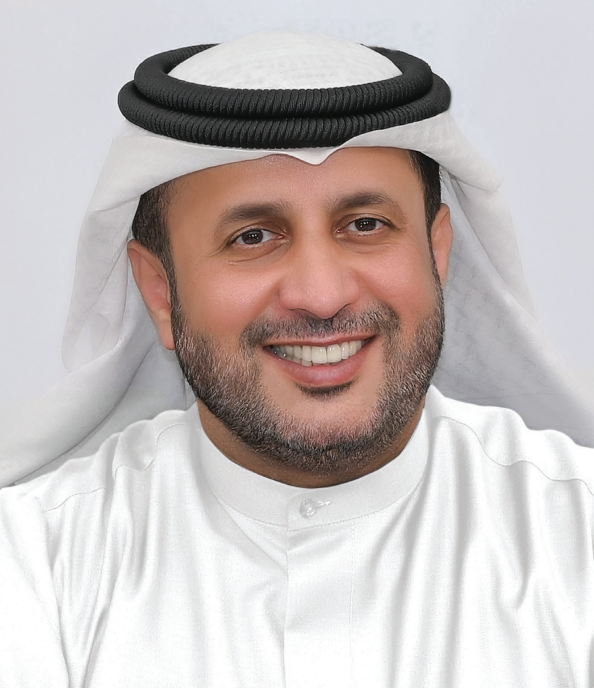
The writer is the CEO of Empower. He may be reached through writing to Noura.Jamal@empower.ae