

‘Carbon reduction and thermal performance are deeply connected’
How do you wish to contribute to the safety, security and wellbeing of the UAE?
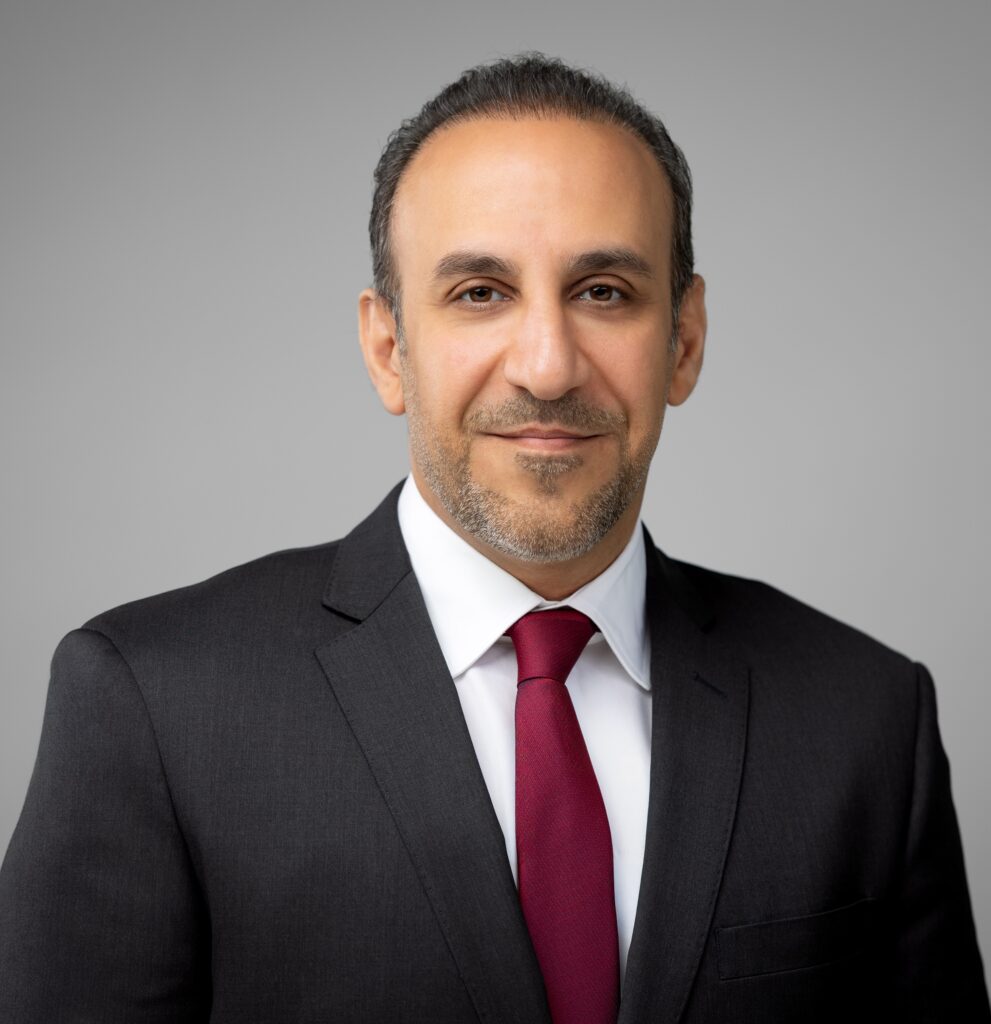
The UAE is building at an extraordinary pace, and the demands on construction materials have never been more complex. We are no longer just talking about aesthetics or even structural integrity. We are talking about buildings that need to perform under extreme heat; protect critical digital infrastructure, like data centres; and contribute to the long-term wellbeing of communities. At Holcim UAE, our contribution is ensuring that the critical structural and thermal envelope, from low-carbon foundations to high-performance roofing systems, is specified with materials that are resilient, durable and sustainable. That is the promise we make to this country.
Does ECOPlanet stand at the intersection of material innovation and local production?
Very much so. What makes ECOPlanet distinctive in the UAE context is that it is not an imported solution. It is made here, from materials sourced here. That matters enormously. It means we are contributing to in-country value, reducing supply chain dependencies, and delivering a product that is calibrated for UAE conditions and standards. Innovation without local roots is fragile. We want to embed sustainable construction capability within the UAE’s own industrial fabric, and ECOPlanet is a concrete expression of that commitment, quite literally.
How are you addressing the urban heat island effect alongside your carbon reduction work?
Carbon reduction and thermal performance are deeply connected. You are not only lowering embodied carbon you are also improving the thermal behaviour and overall environmental performance of the built environment. Our roofing solutions and our concrete formulations are all designed with the heat dynamics of dense urban environments in mind. The urban heat island effect will not be solved by a single product or technology. It requires a consistent materials philosophy applied across entire districts. That is the systemic thinking we bring to every project conversation.
Is cement part of pre-design discussions to lower a building’s cooling load?
It absolutely should be, and increasingly, it is. The façade conversation rightly happens early, but the thermal behaviour of your structural system matters just as much. If you get the cement specification right at the concept stage, you are influencing the cooling load of that building for its entire operational life.
How are you sharing global knowhow on sustainable construction with the GCC region?
Operating globally gives us a breadth of real-world experience that is genuinely difficult to replicate. We have seen what works, and what does not, across vastly different climates, regulatory environments and construction cultures. We translate that into direct value for the GCC region through technical partnerships, specification support and joint engagements with developers and engineers. The region’s sustainability ambitions are serious and growing, and our role is to make sure those ambitions are matched by the materials intelligence and practical knowhow to deliver them on the ground.
What steps ensure long-term durability and circularity to address embedded carbon?
Durability is an underrated sustainability strategy. A building that performs for a century instead of four decades is one whose embedded carbon is spread across a far longer useful life, and that is a profound difference in environmental terms. On circularity, our ECOCycle technology ensures that when a structure does eventually reach end of life, its materials re-enter the construction value chain rather than becoming waste. We think of it as closing the loop. as building new from old. The carbon invested in producing a material should serve multiple lifetimes, not just one.