

The air we breathe
In a region where the climate is harsh and indoor environments dominate our daily lives, the performance and health impact of HVAC systems cannot be underestimated. Yet, many buildings continue to rely on outdated, underperforming air conditioning and ventilation systems – compromising not only energy efficiency but also occupant wellbeing. Drawing on insights from Mansour Kharoub from Khatib & Alami; Dr Iyad Al-Attar, an independent air filtration consultant and Mohamed Abdelwarith from Clenergy, this article decodes the link involving system design, filtration choices and the realities of IAQ degradation across various building types.
Kharoub, Director of Mechanical Engineering and Associate Principal, Khatib & Alami, speaking on the inefficiencies of legacy HVAC systems, says older cooling systems consume 20-30% more energy, have a high downtime duration and show reduced cooling performance.
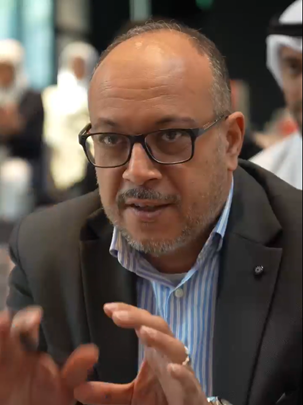
Abdelwarith, Technical Director, Clenergy, says other than an increase in energy consumption and reduced cooling performance, legacy cooling systems bring other challenges to building owners, such as increased operating and maintenance costs, due to more frequent servicing of ageing equipment, and discontinued replacement parts and phased-out refrigerants with high ODP and GWP, such as R-22). “Poor Indoor Air Quality arising from reduced airflow and inadequate air circulation caused by leaks, ageing air movers, and airflow restrictions from cooling coils and air filtration devices add to the woes,” he says. The decision to retain or replace such systems hinges on factors like system age, rising maintenance costs and deteriorating IAQ.
Understanding the core of IAQ
Dr Al-Attar says: “IAQ enhancements are easy to claim and hard to verify. The optimal point for IAQ, when considering air movement technologies, energy efficiency and sustainable HVAC system performance lies in achieving a dynamic balance that prioritises occupant health and wellbeing alongside environmental responsibility and cost-effectiveness. It’s not a fixed point but rather a continuously adjusting equilibrium.”

From an IAQ perspective, Dr Al-Attar underscores the importance of source control and filtration. “To prioritise source control and filtration, one should consider minimising pollutant generation in the first place,” he says. “This approach starts with agreeing on what is ailing the indoor environment and its occupants regarding particulates, gases/chemicals and bioaerosols.” He further highlights the necessity of reliable and continuous IAQ data, stating, “Ultimately, reliable and continuous IAQ data is paramount to any meaningful enhancement.”
Abdulwarith echoes the need for specificity when selecting air treatment and air movement equipment. He says various factors should be considered to ensure an optimised solution. “From fan design and airflow device drive configuration to UVC lamp safety risks, the right system must integrate application-specific needs, spatial constraints and lifecycle costs,” he says. “Equipment must also be designed for constructability, reliability and performance verification.
On specifying air treatment and movement equipment
Energy efficiency and IAQ are critical when it comes to specifying air treatment and air movement equipment, Kharoub says. “The first and most important thing is energy efficiency,” he says, citing ASHRAE 90.1 as the baseline. “The second thing that is really, really very critical and important is the Indoor Air Quality,” he adds, for which he references compliance with ASHRAE 62.1.
But project context matters as it plays a significant role in shaping design choices. Kharoub highlights how in some cases systems are designed to exceed the minimum requirements, particularly when aligned with green building ratings. Regional climate conditions are also taken into careful consideration, he says, adding that other key factors include ensuring system reliability, ease of maintenance, collaboration with the project team, noise control and planning for future scalability. “We make our specifications of the project and call for the right certifications and compliances – AHRI, Eurovent or different standards,” he says.
Ensuring optimal performance through proper installation
Abdulwarith highlights common compromises during the installation phase that affect equipment performance. “Taking advantage of technical specification gaps to install air treatment or air movement equipment with lower efficiency and performance is one such compromise,” he says. “It leads to jeopardised air circulation as well as various operational challenges concerning IAQ, air change rates, and environmental quality factors such as noise levels and thermal comfort levels, in addition to higher operational costs associated with energy expenditure as well as servicing frequencies.”
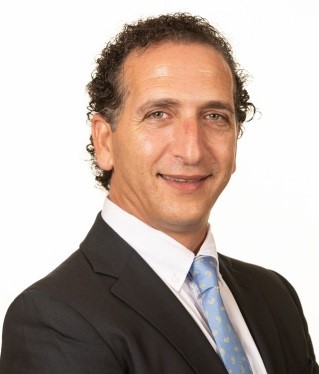
Kharoub acknowledges the budget-driven pressures that often lead to corner-cutting. These things, he says, happen when confronted with the project budget, and people start cutting corners. The most frequent compromise, he says, is sometimes made by the contractor and involves the lack of third-party testing and commissioning, and this immediately means that there wasn’t a budget for this step.
Skipping third-party testing leads to downstream issues, Kharoub says. “Such compromise, really, it leads to other complications, later on, and affects the performance of the system
and the health of the people,” he says. He cites improper sealing, mismatched motor sizing and oversizing as common issues. “Sometimes, the ducting and the path is unsealed and the air is going and leaking everywhere,” he says. This, he adds, leads to systems operating at only 70–80% of their intended capacity.
One of the immediate consequences of system inefficiency is a spike in energy bills, driven by higher energy consumption, resulting from poor performance, Kharoub says. This inefficiency also accelerates wear and tear, shortening equipment lifespan and causing user discomfort due to inadequate ventilation or inconsistent temperature control, he adds.
In the long term, such compromises can lead to premature equipment failure, with systems needing replacement well before their expected 25-year lifespan, sometimes in as few as 15 years.
As if echoing Kharoub, Abdulwarith points out the consequences of inadequate testing and commissioning. “Improper or incomplete testing and commissioning of installed equipment and systems happens to ensure Owner’s Project Requirements and Basis-Of-Design criteria are successfully met within the acceptable tolerance range,” he says. Such oversights can lead to long-term health implications, including the development of chronic Building Related Illnesses (BRI) among occupants.
Tailoring solutions to specific environments
BRIs are anathema to Dr Al-Attar, who points out the necessity of customising IAQ solutions based on building usage. “Attempting to resolve IAQ by uncontrollably adding filtration technologies can be counterproductive and miss the mark when it comes to specificity to the building type and its intended use,” he says. He stresses that air movement and distribution entail more than just providing volumes of air. “Air quality, flow rates and patterns are paramount when addressing the desired outcomes,” he says.
Healthcare facilities are simply another level up for Dr Al-Attar. “Special consideration must be granted to healthcare facilities where appropriate air movement is paramount for wound-healing eye surgeries,” he says. “On the other hand, excessive air velocities may have a counterproductive effect, especially for ophthalmic sutures.” He underscores the importance of controlled air movement to prevent turbulence and potential re-entrainment of airborne contaminants.
Abdulwarith, adding to this, says, “Accumulation of mould, dust and allergens in old air filters and air distribution systems aggravates the issue further.”
Advocating for stricter regulations, enforcement
Abdulwarith and Kharoub call for a more robust regulatory framework – one that ensures quality from installation through to long-term operation. Abdulwarith recommends mandatory licensing for HVAC technicians, with specialised training in air treatment systems, air movement equipment and modern refrigerants – low-GWP systems. He also recommends standardised testing and commissioning protocols, including refrigerant charge verification and airflow balancing. Furthermore, he proposes the installation of IoT/BMS sensors for real-time monitoring and cloud-based compliance logs accessible to regulators.
Echoing these priorities, Kharoub is especially firm on the necessity of mandatory third-party commissioning, insisting it must be properly completed and certified before final handover. He also calls for installer and commissioning team certifications to ensure technical competence. In addition, he stresses the need for “clear penalties in case of non-compliance” to deter cost-cutting and shortcuts during installation.
Both agree on the importance of ongoing oversight beyond project delivery. Kharoub advocates for “periodic post-occupancy audits” – a common practice in other countries – as a means to track system performance over time.
Incentivisation also plays a central role in their proposed reform. Abdulwarith supports tax credits and project-based rewards for contractors who exceed minimum efficiency standards, while Kharoub encourages broader adoption of green building certifications through targeted incentives. Together, these recommendations aim to raise industry standards, reduce energy waste and protect occupant health over the full lifecycle of HVAC systems.
As the built environment continues to expand across the region, ensuring HVAC systems are designed, installed and maintained to meet the highest standards will be critical. The insights shared by experts make one thing clear: Sustainable, healthy indoor environments require more than compliance – they demand commitment.